
There is a fun article in The New York Times about the growing trend among publishers of producing deluxe editions of romance and fantasy books. The article mentions different kinds of cover enhancements but focuses on decoration of the fore-edge. There are short videos and photos of the production of the deluxe edition of Rebecca Yarros’s Onyx Storm, which is due out in January 2025. The deluxe edition will have dragons painted on the fore-edge:

This kind of decoration goes quite far back in the history of the book. The earliest example that I know of is a set of parchment Coptic codices said to have been found in a jar in the Egyptian city of Saqqara in the winter of 1924-1925. A colophon allows us to identify the original home of the books as the Monastery of Apa Jeremiah in Saqqara. They are usually dated to the 6th or 7th century and contain quite interesting combinations of texts:
- The letters of Paul and the Gospel According to John
- The Acts of the Apostles and the Gospel According to John
- A portion of the Psalms (1-5) and the first chapter of the Gospel According to Matthew
These books all had wooden covers, leather covered spines, and decorated fore-edges:

These three books are now in the Chester Beatty collection in Dublin (Cpt 813, Cpt 814, and Cpt 815) and were bought from the Cairo dealer Maurice Nahman (other books from the same find are in the University of Michigan’s collections). The codices were considerably fancier than they look in these photos. The leather on the covers had intricate decorations, and the books were found together with the remains of elaborate leather wrapping bands and carved bone clasps. The article in which these photos appeared was written by Charles T. Lamacraft,1 who also produced some lovely models of the codices based on his study of the surviving fragments:
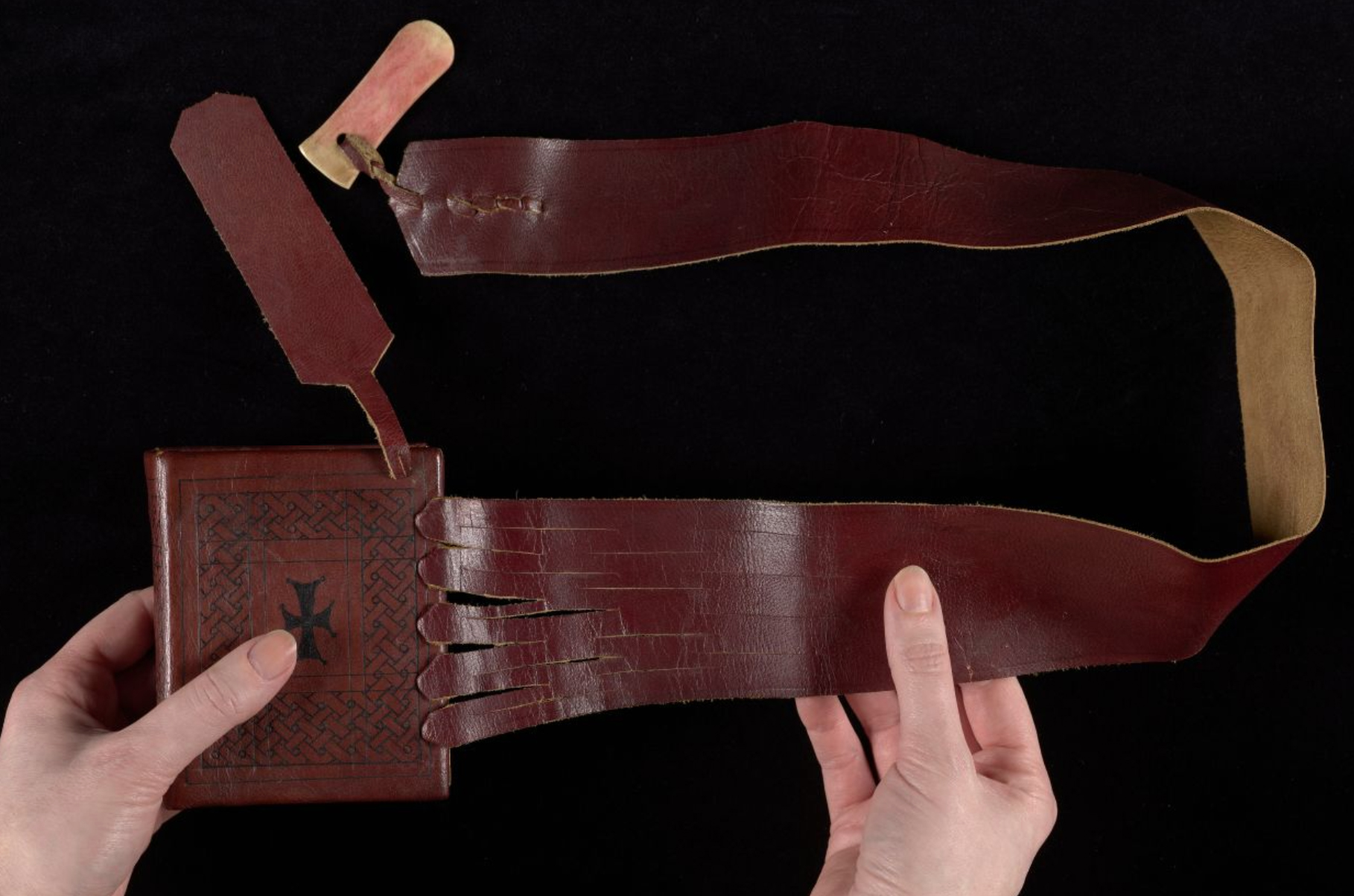
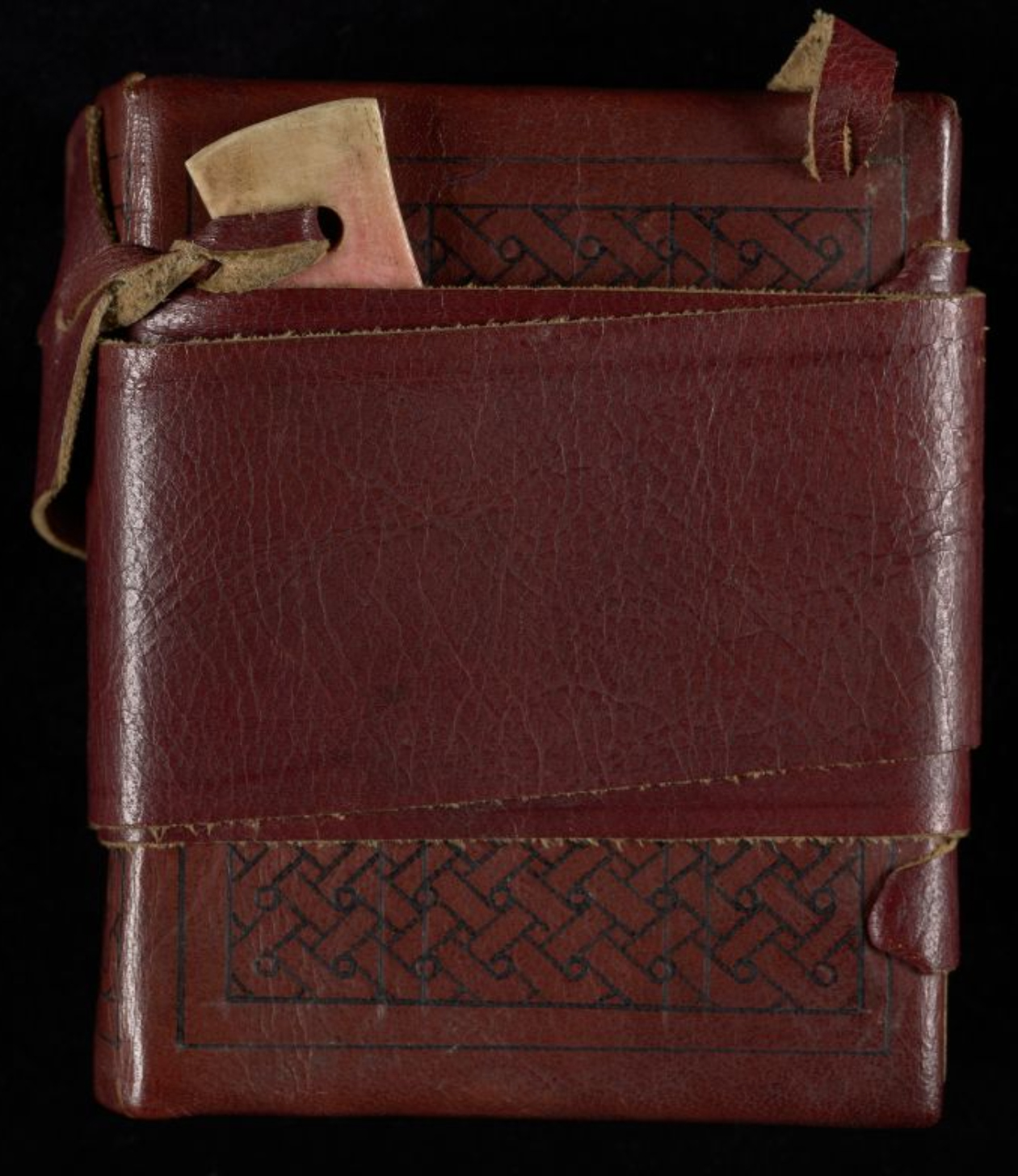
These would have been very nice little books. It’s encouraging to see the modern publishing industry recapturing some of the traditions of early codex production.
- C.T. Lamacraft, “Early Book-bindings from a Coptic Monastery,” The Library 20 (1939) 214-233. ↩︎


 Variant Readings