
At a press conference this afternoon in the archaeological park at Ostia Antica, it was announced that a mikveh, a Jewish ritual bath, has been discovered in the center of the ancient city.
Ostia is well known to students of ancient Jewish life because of the late antique synagogue that was discovered there in the early 1960s. Just over a year ago, I posted about the publication of a statuette of Venus that was discovered in the synagogue.
The new discovery is in an entirely different sector of the city:
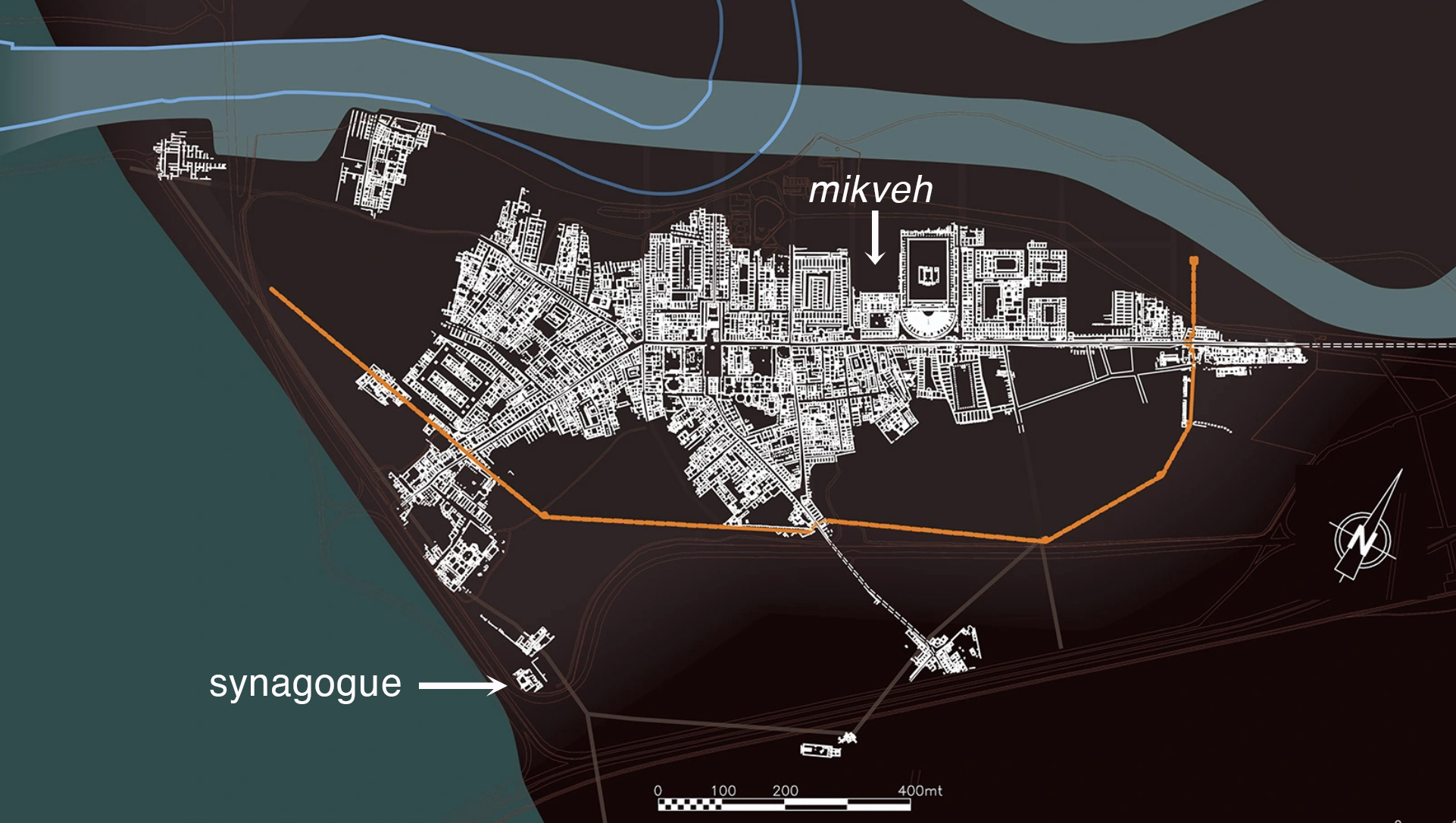
While the synagogue was located close to the ancient coastline, the new discovery is inside the city walls in the central part of the town, not far from the large theater.
According to the press release, the mikveh was excavated in 2024. There are several photos from the excavation posted online:

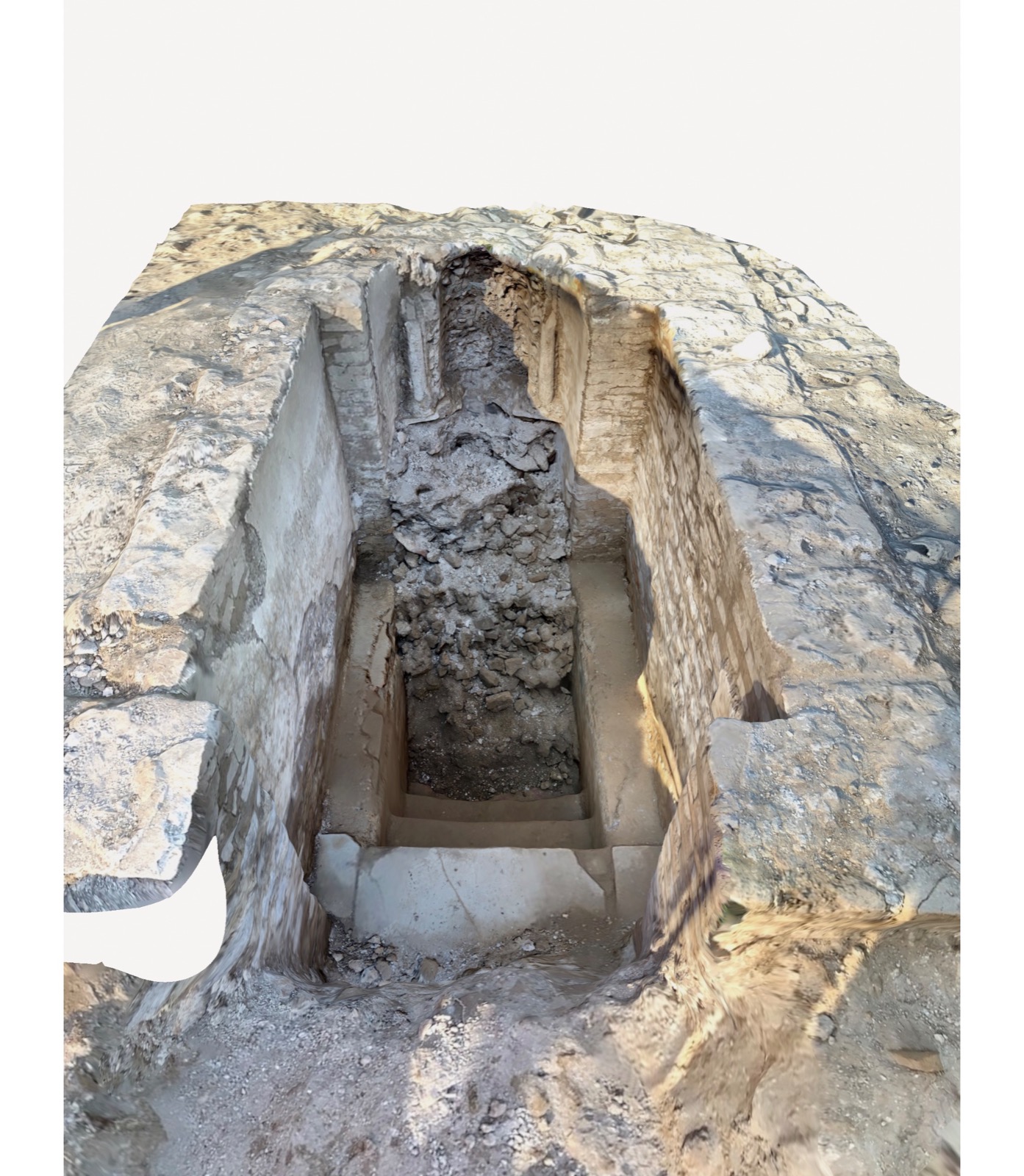
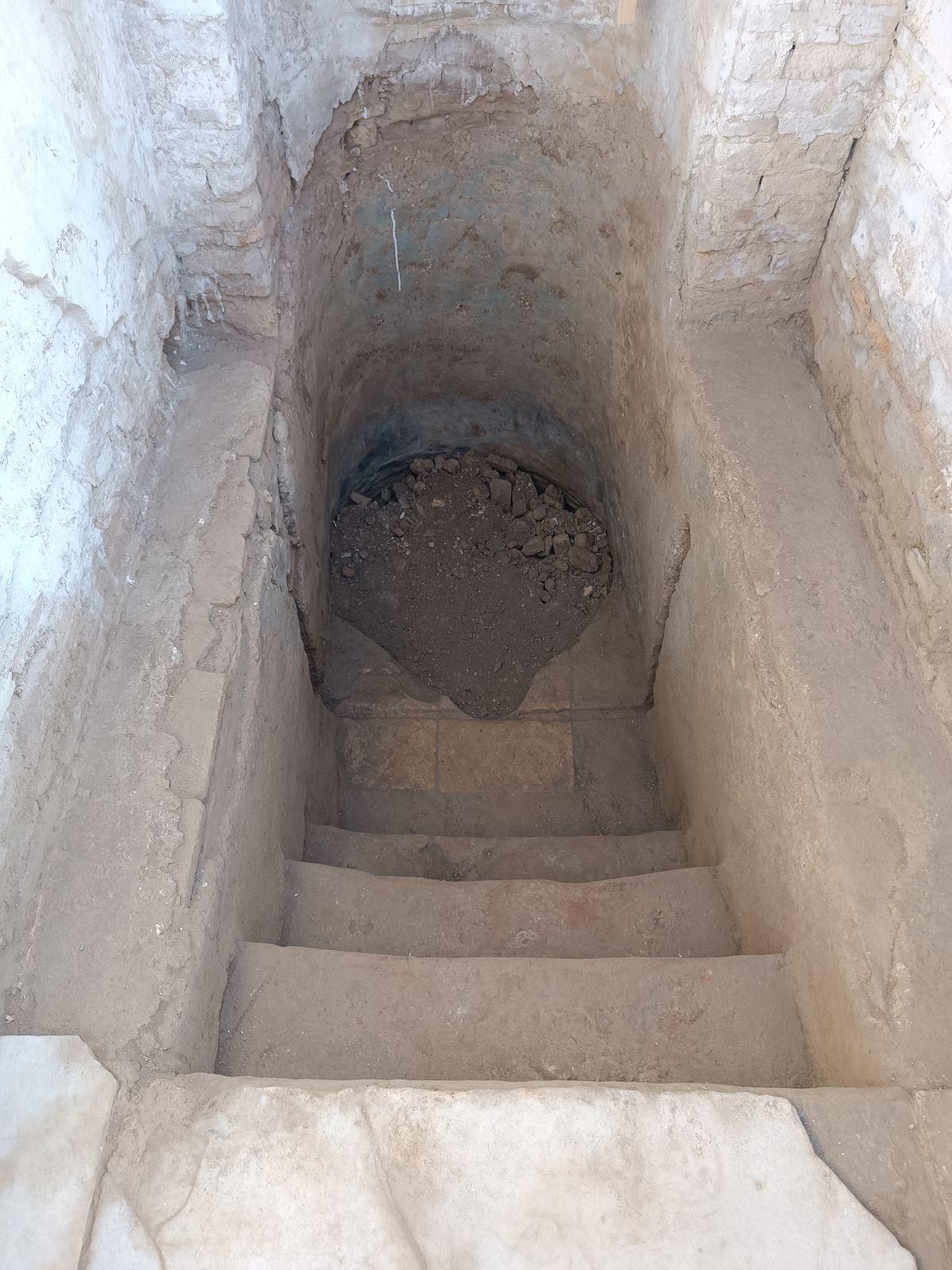
The following description from the press release gives the arguments for identifying the area as a mikveh:
“The peculiar characteristics of the room–such as the steps covering its entire width, the walls lined with hydraulic plaster, the presence of a well for capturing groundwater, the passage for communication with the adjacent room (possibly intended to house a pipe for adding water to groundwater), and again the discovery of the oil lamp with Jewish symbols at the bottom of the well–lead to an interpretation as a Jewish ritual bath (mikveh).”1
And in fact the Ostia Antica homepage also provides an image of the lamp with a menorah:
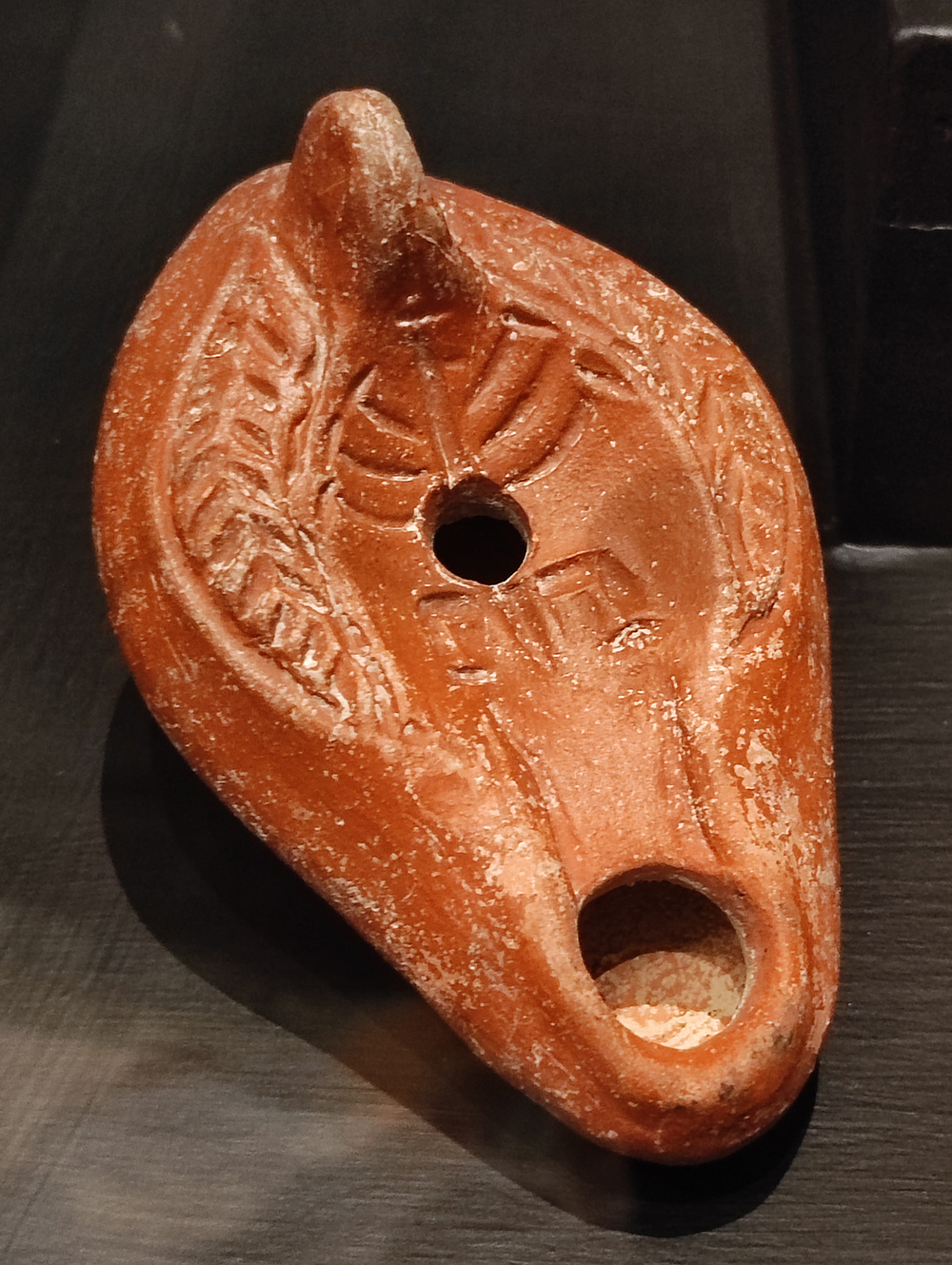
A couple preliminary observations: First, we seem not to have a date for the installation. The lamp and an accompanying glass vessel are both said to date from the 5th-6th century, so well into the “Christian” period in Ostia. The fill above this area also seems to have contained lamps decorated with the menorah, which are assigned to the 4th to 6th centuries. It will be good to learn what other evidence there is for assigning a date to this space. Second, there was a feature in the synagogue at Ostia that has often been described as a mikveh, but that identification has been challenged, and it must be said, the space in the synagogue looks nothing at all like the newly excavated area.
I’m sure there will be more to say as we learn more about this in the coming weeks. It’s an exciting discovery, and I very much look forward to the full publication of the area, so that we can better understand how this feature fits into the surrounding buildings and neighborhood.
- “Le peculiari caratteristiche dell’ambiente – quali i gradini estesi per la sua intera ampiezza, le pareti rivestite di intonaco idraulico, la presenza di un pozzo di captazione dell’acqua di falda, il condotto di comunicazione con l’ambiente adiacente (possibilmente destinato ad alloggiare una tubatura per l’aggiunta di acqua a quella di falda), e ancora il rinvenimento della lucerna con simboli ebraici sul fondo del pozzo – inducono a ipotizzarne una interpretazione come bagno rituale ebraico (mikveh).” ↩︎


 Variant Readings