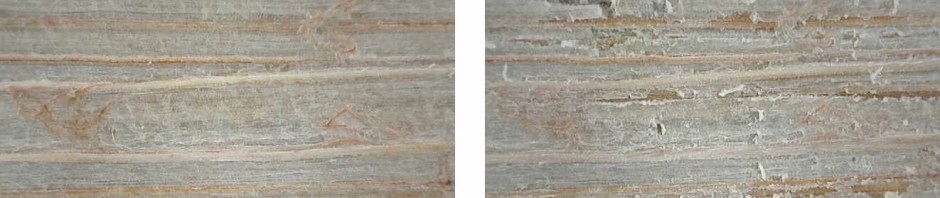
In the latest issue of the Bulletin of the American Society of Papyrologists (2024, just out–table of contents here), I have an article on the use of pumice on papyrus (AAM here). Here is the abstract:
Papyrological handbooks published in the second half of the twentieth century suggest that pumice was used in antiquity to smooth the surface of papyrus in preparation for writing. Experimentation with modern papyrus and pumice calls this claim into question. The ancient literary references to pumice and papyrus, when they are properly understood, demonstrate that when pumice was used on papyrus rolls in antiquity, it was not used for the purpose of smoothing the writing surface. Pumice was instead used to smooth the frontes, the top and the bottom of the closed papyrus roll. This fact that was quite well established at the end of the nineteenth century, but it seems to have been largely forgotten over the course of the second half of the twentieth century.
People used pumice (Greek κίσηρις, Latin pumex) for many purposes in antiquity, including the preparation of parchment writing surfaces. Several ancient and medieval discussions of the production of parchment mention the use of pumice at different stages in the process. I’ve previously noted one of these, a few leaves preserved in a papyrus codex of the sixth or seventh century that contain instructions in Coptic for preparing parchment.
What interests me in this article are references to the use of pumice not on parchment, but on papyrus. Several Latin poets refer to the use of pumice on papyrus (all the references are collected in the article). Modern handbooks on papyrology sometimes claim that pumice was used to prepare the surface of papyrus for writing (thus Italo Gallo, Greek and Latin Papyrology, p. 7: “[the papyrus sheet] was then allowed to dry, and was finally polished with a pumice stone, an ebony tool, or a shell”). But doing a bit of experimentation with modern papyrus shows that if you rub even very fine pumice on papyrus, it tears the fibers, resulting in worse conditions for writing (smooth objects like bone or shell flatten the fibers and do create a better writing surface).
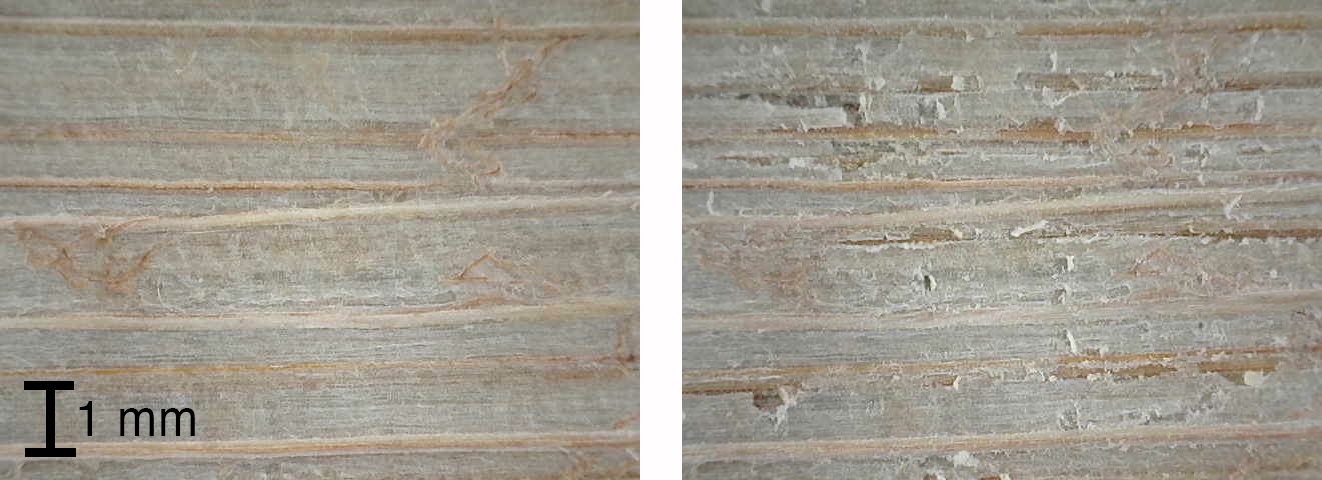
In fact, the ancient references to the use of pumice on papyrus never say it was used to smooth the writing surface. Rather, it was used on the frontes, the top and bottom of the closed scroll. The pumice would grind off any stray fibers that protruded from the ends of the rolled up cylinder. This seems to have been one of the last stages of the manufacture of a bookroll, one that took place after the papyrus was already inscribed, in some cases even at the shops where books were sold.
The form of pumice used for this task seems to have been a hemispherical block that could be held in the palm of the hand (such a stone was found as part of what seems to be a writing kit in the so-called Tomb of the Scribe in the Vatican). This is very similar to hemispherical pumice stones found at Pompeii, often in bronze holders.
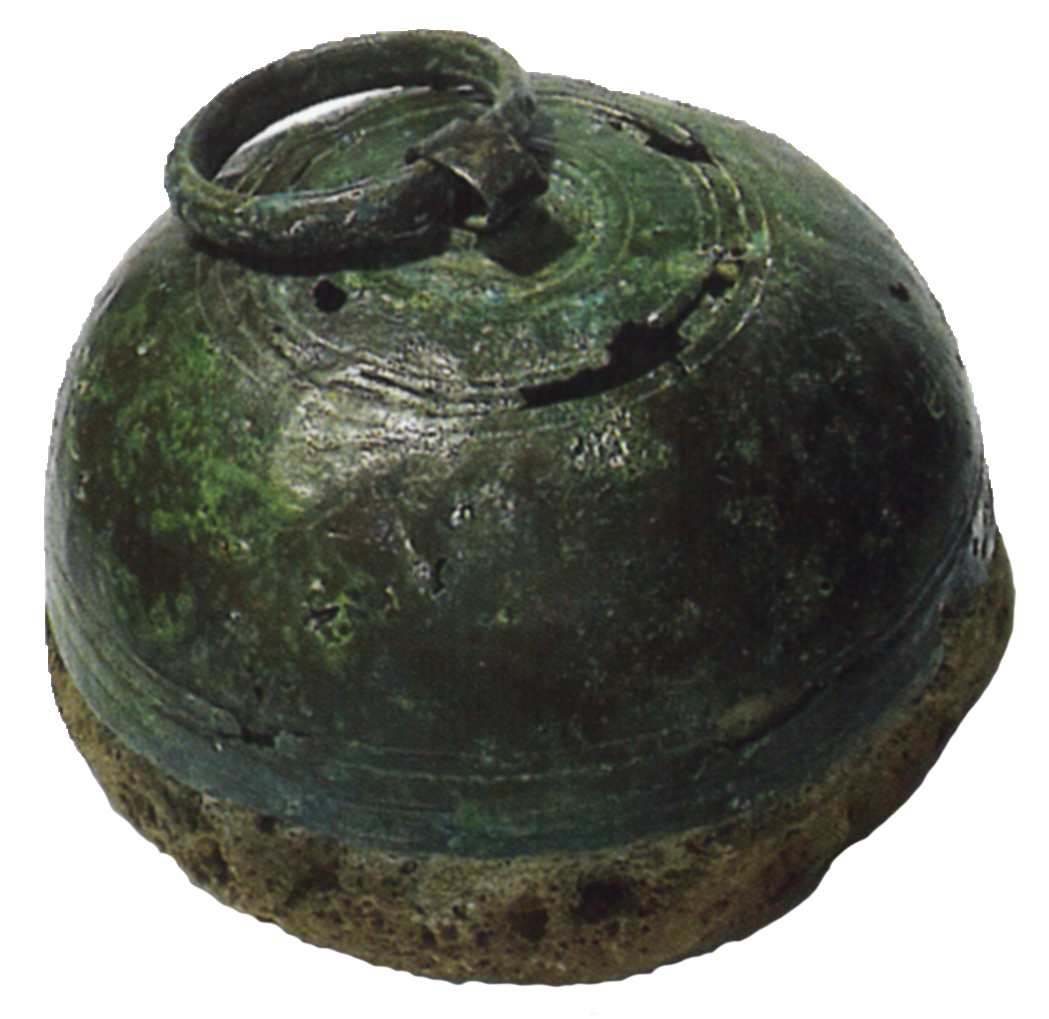
When the context of these Pompeian hemispherical pumice stones is known, it is most frequently as part of cosmetics kits. This is interesting in light of the personification and sexualization of bookrolls that we sometimes find in Latin poets. The hemisphere of pumice offers us a case of a single tool that could be used on both the human body (for removal of hair and smoothing of skin) and the book (for tidying the frontes).
I enjoyed researching and writing this piece. It led me down several fascinating rabbit holes that I hope to talk about here in the near future.


 Variant Readings
Pingback: Exploring the materiality of (re)writing: the ‘Ephemeral Writings’ workshop, part one (Naples, 7–9 May 2025) – TabulaRasa