In an earlier posting, I started compiling a list of recently emerged papyri of dubious origins. It turns out that several of these pieces were among those stolen from the Egypt Exploration Society’s collection of papyri excavated from Oxyrhynchus. I excluded Coptic material from that earlier list because I wanted to first draw together the scant information that is publicly available regarding the Coptic material from the EES Oxyrhynchus collection. I have now done this in a separate post. With that as a basis for comparison in mind, I list here several recently emerged Coptic manuscripts of dubious origins.
Once again, these pieces are linked to Scott Carroll, who was in charge of acquisitions for the Green Collection at the time when Professor Obbink is said to have sold the Oxyrhynchus materials to the Greens. This connection suggests that other pieces of dubious provenance linked to Carroll may also go back to Prof. Obbink. So, some of the pieces pictured here might be linked back to Dirk Obbink and from there back to the Oxyrhynchus collection. When I say “First appearance,” I mean the first time I know of the piece being displayed publicly. And again, I welcome corrections to any information I post here.
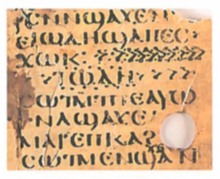
Deuteronomy 31-32 on parchment (Green Collection, GC.MS.000596). First appearance: 2014 (Verbum Domini II exhibition). Assigned to the 3rd or 4th century.
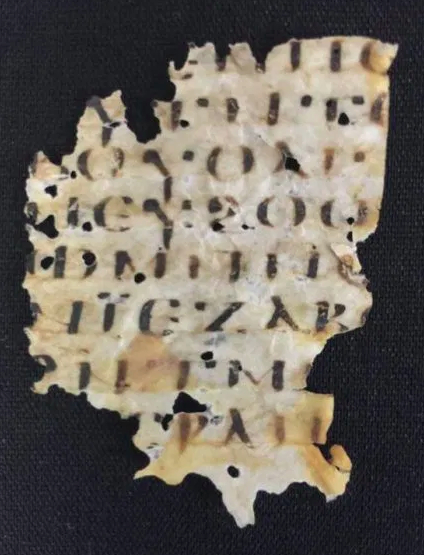
2 Kings 8-9. Fragment of a parchment leaf. First appearance: 2015. Said to have been part of a collection with a fragment of Acts on parchment (see below) and a fragment of Matthew 2 on parchment (see below). More info here.
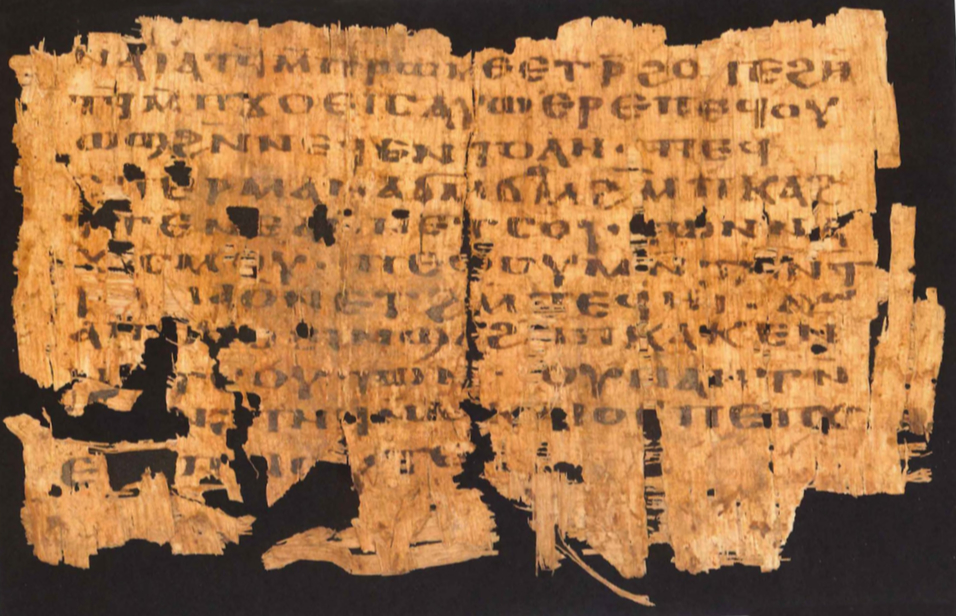
Papyrus sheet containing Psalm 111 (112) in Sahidic (Green Collection, probably GC.PAP.000125). First appearance: 2012. Exhibited in Passages in 2012. Assigned to the fourth century and said to contain magical words on the reverse. Alleged provenance according to Scott Carroll: “The papyrus purportedly came from a burial, discovered in the 19c.” Scott Carroll, Passages 400th Anniversary of the King James Bible: Exhibition Catalog (Oklahoma City: Passages, 2012).
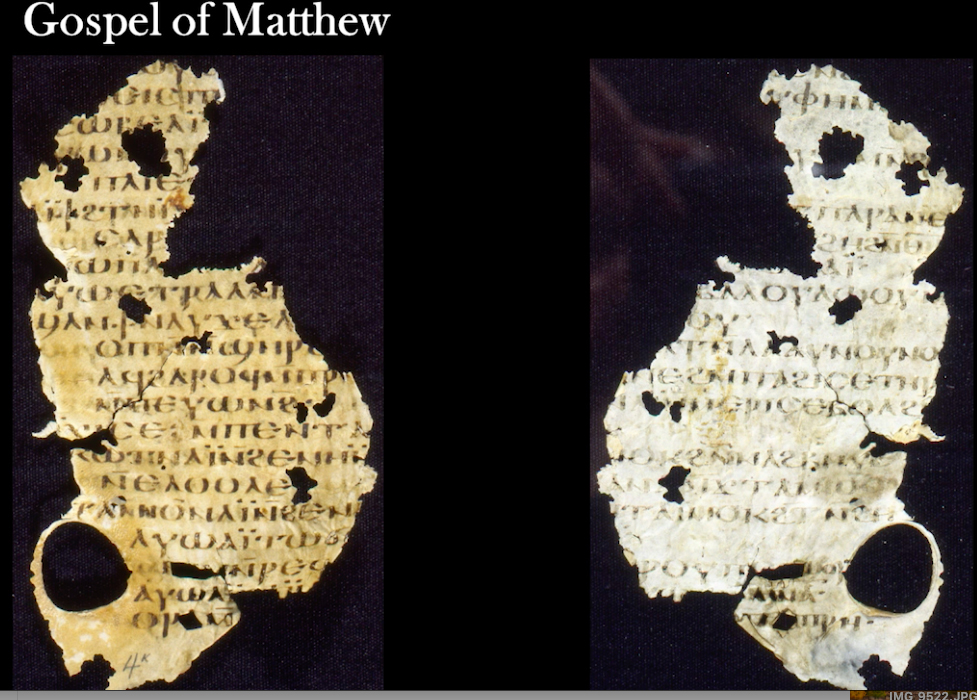
Ecclesiastes 2:3-5 and 2:10-11, (misidentified by Scott Carroll as Matthew) on parchment [[thanks to Dan Sharp for the proper identification]]. First appearance: 2009. Image displayed on Scott Carroll’s Facebook account in 2009 and associated with pieces identified as coming from the Van Kampen Collection (see comment from David Bradnick below). Image displayed by Scott Carroll at the Koinonia Institute in 2016.
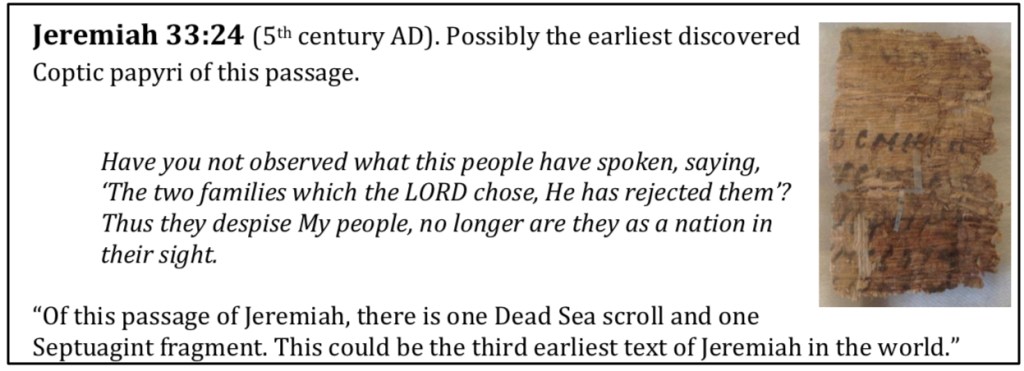
Jeremiah 33:24? Unverified identification, presumably by Scott Carroll? First appearance: 2013. The website of the Christian apologist Josh McDowell contains a document describing an event that took place in December of 2013, during which McDowell apparently acquired several papyrus and parchment manuscript fragments said to contain Greek and Coptic biblical passages. One of the main speakers was Scott Carroll. Many of the identifications in the document seem dubious to me, and some of the pieces look like fakes (the one pictured here looks authentic, but the identification of the passage seems uncertain to me). Many of these pieces, including the one pictured here, are said to have been freshly extracted from cartonnage, but this item looks like it has been repaired with at least three different types of adhesive. This whole collection is really strange and disturbing. More info here.
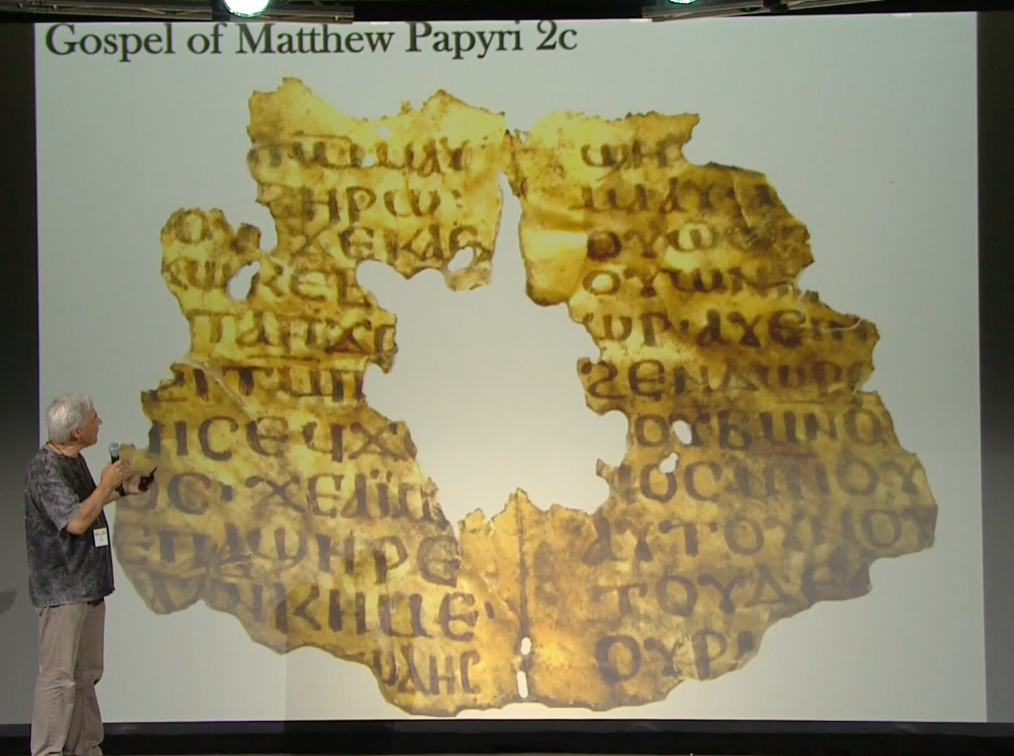
Matthew 2 on parchment. First appearance: 2016. Image displayed by Scott Carroll in 2016. Apparently sometimes known as “P.Aslan. 112.” Said to have been part of a collection with a fragment of 2 Kings on parchment (see above) and a fragment of Acts 19 on parchment (see below). More info here.
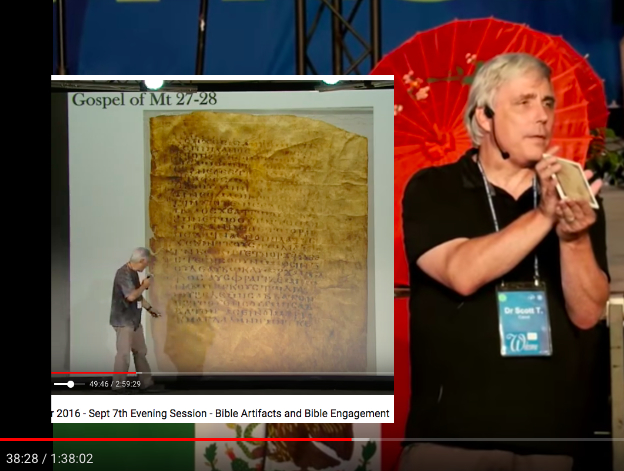
Matthew 27-28 on parchment. First appearance: 2013. Scott Carroll seems to have displayed this manuscript in Mexico in 2013. Subsequently, he displayed images of it in his lectures. More info here.
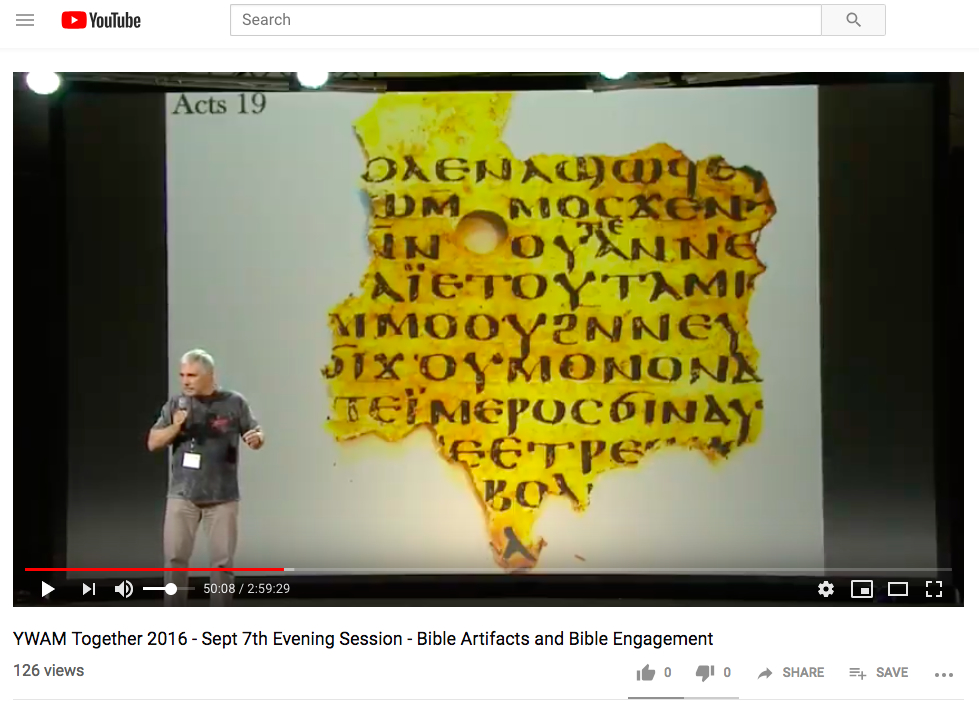
Acts 19. Fragment of a parchment leaf. First appearance: 2016. Said to have been part of a collection with a fragment of 2 Kings on parchment (see above) and a fragment of Matthew 2 on parchment (see above). More info here.
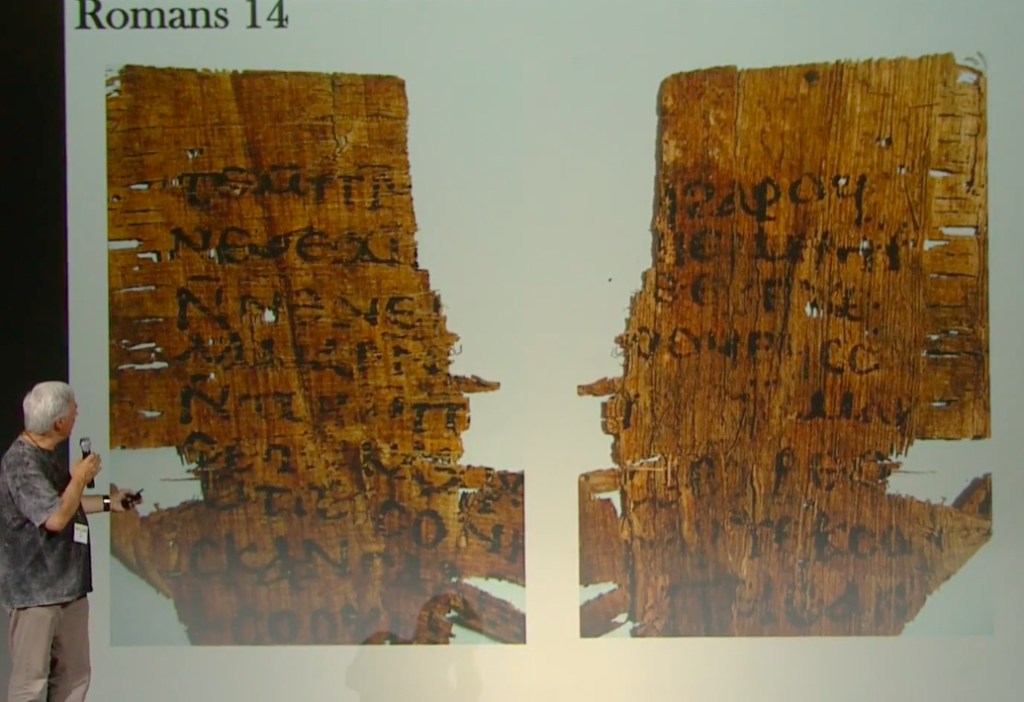
Romans 14 (unverified identification by Scott Carroll). Fragment of a leaf of a papyrus codex. First appearance: 2016. More info here.
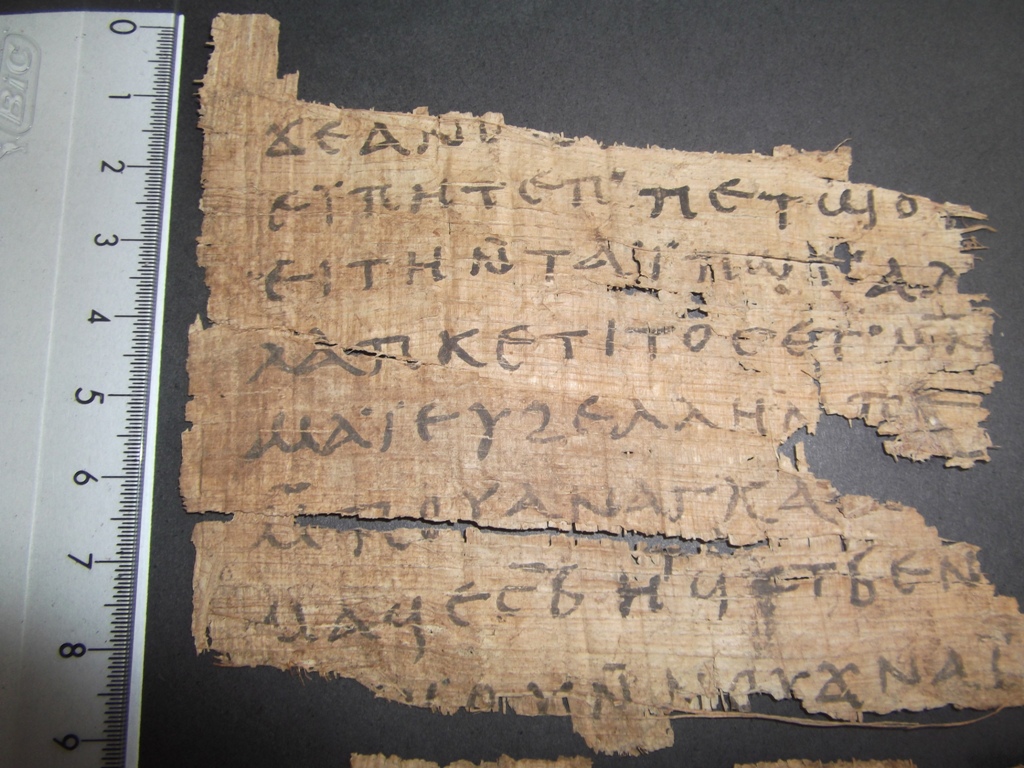
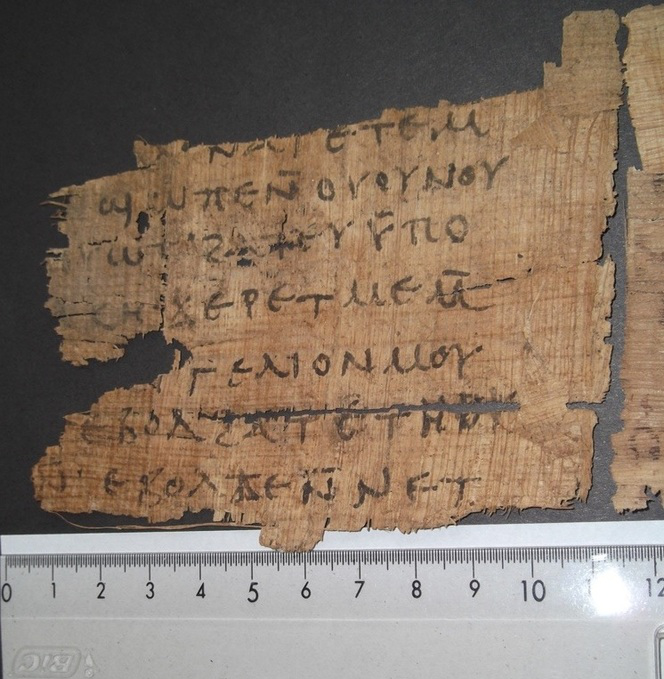
Galatians (Green Collection, GC.PAP.000462). First appearance: 2012. This fragment of a leaf of a papyrus codex was for sale on eBay before ending up in the Green Collection. More info here.
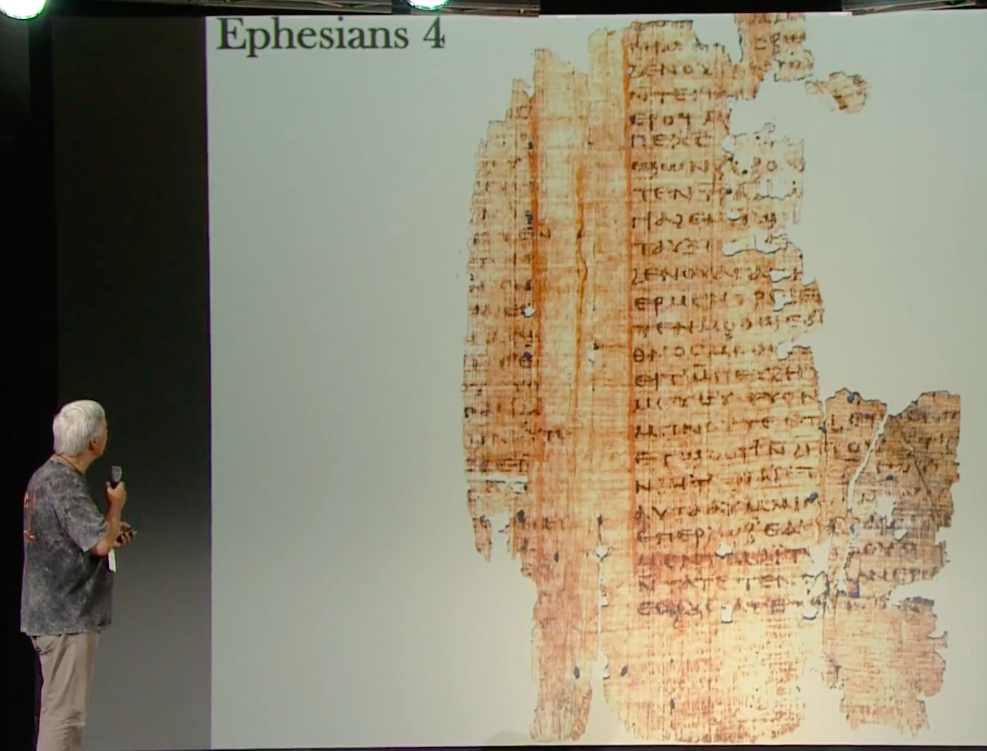
Ephesians 4 (Green Collection, GC.PAP.000414). First appearance: 1983. The appearance of this piece is not exactly “recent,” but in more recent years it may have travelled on some of the same paths on the antiquities market as other pieces that ended up in the Green Collection. It is a portion of the Tchacos-Ferrini codex of Paul’s letters. It appeared in the Green Collection’s “Book of Books” exhibit in Jerusalem in 2013. More info here.
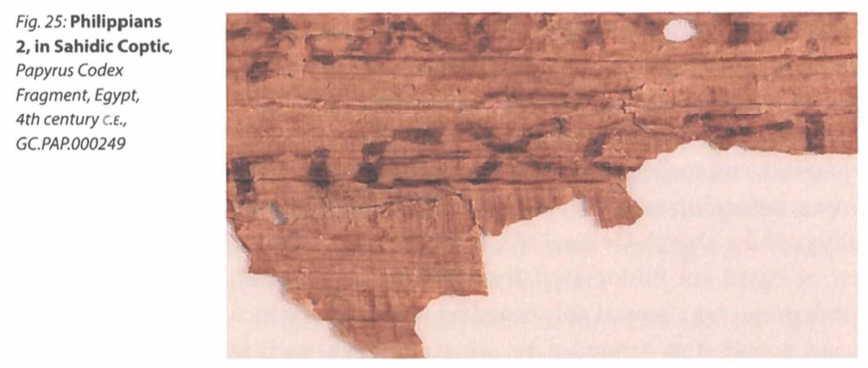
Philippians 2 (Green Collection, GC.PAP.000249). First appearance: 2014 (Verbum Domini II exhibition). Assigned to the 4th century. [[Update 10 December 2019: A commenter below points out that this piece was for sale on eBay in February 2006. It was apparently part of the collection of Bruce Ferrini, which was being dispersed at that time and was bought by Ernest Muro. Details noted by Robert Kraft here with image here.]]
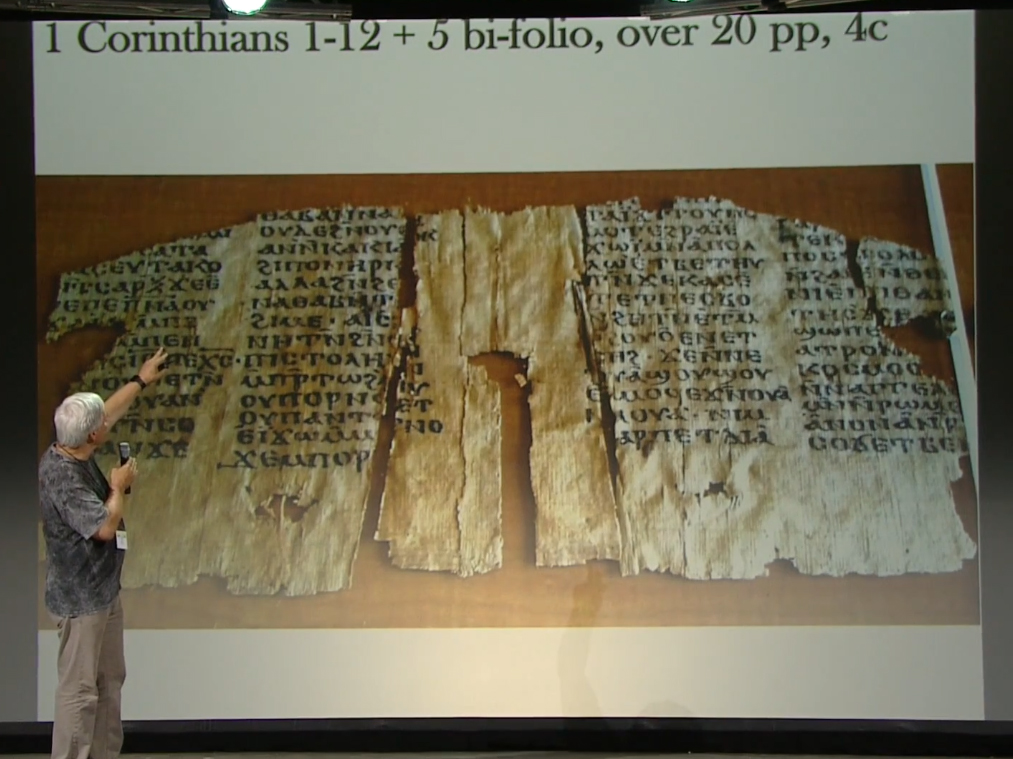
Papyrus codex containing letters of Paul. First appearance: 2015. Images displayed by Scott Carroll on multiple occasions. More info here.
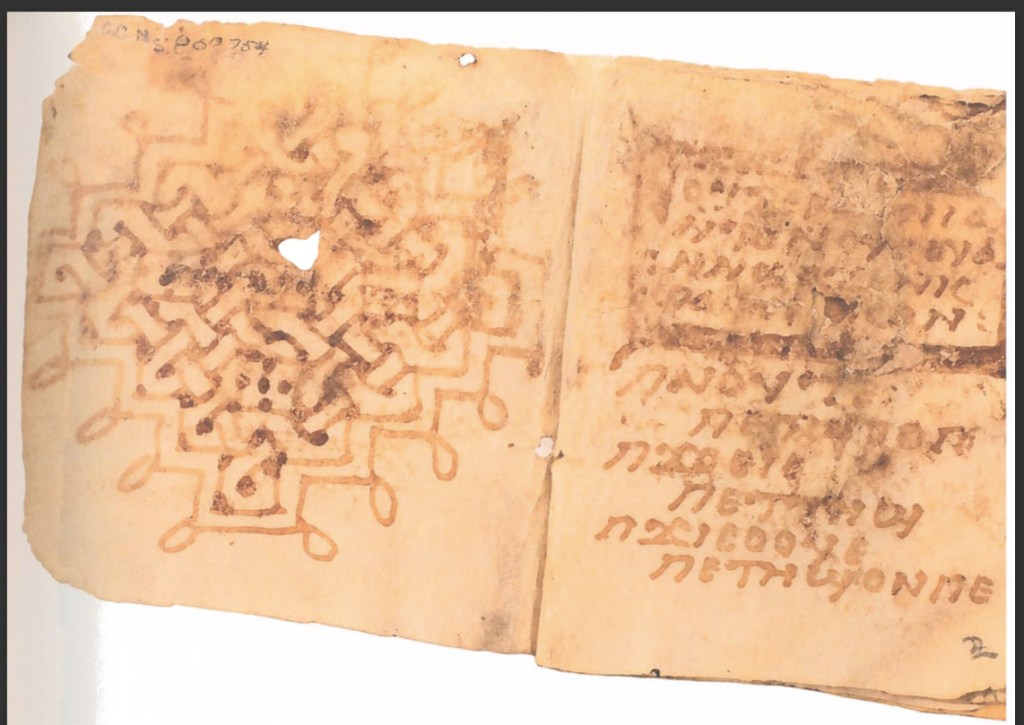
Greek-Coptic lexicon (Green Collection, GC.MS.000754). First appearance: 2014 (Verbum Domini II exhibition). Assigned to the 6th-7th century.
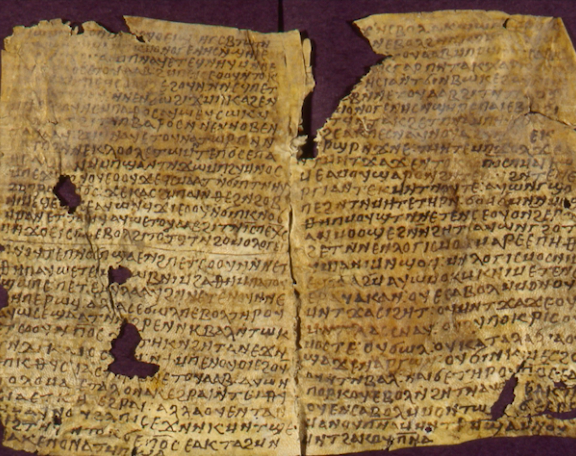
Unidentified “patristic text” on parchment. First appearance: 2016. Image displayed by Scott Carroll at the Koinonia Institute in 2016.
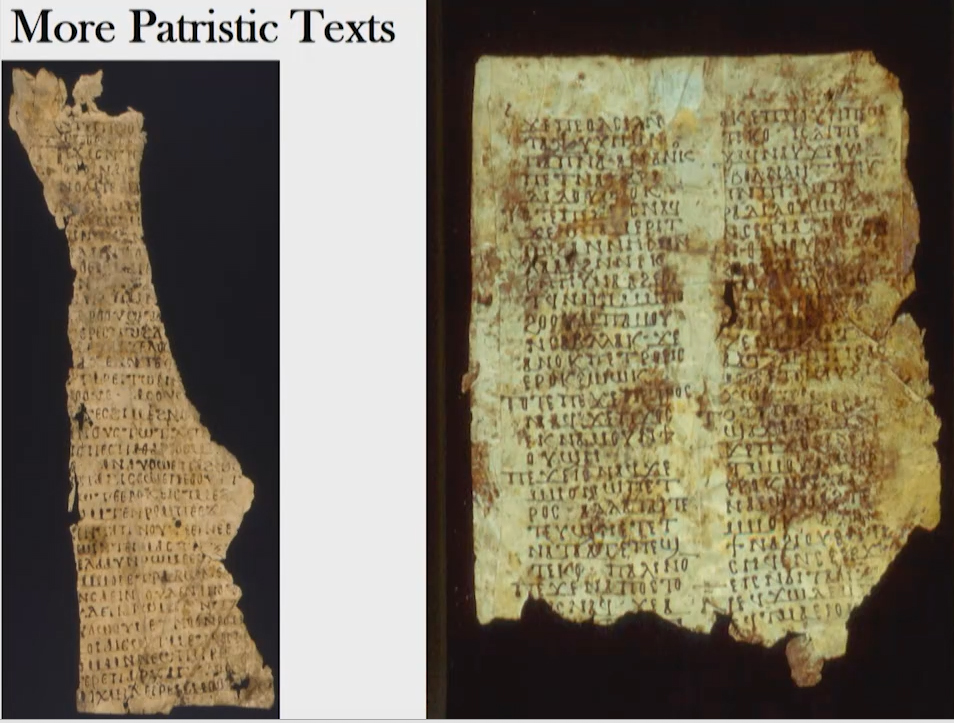
Unidentified “patristic texts” on parchment. First appearance: 2016. Images displayed by Scott Carroll at the Koinonia Institute in 2016,
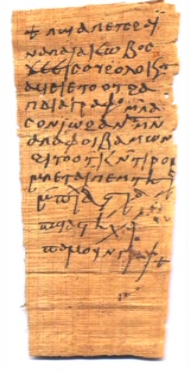
Coptic letter on papyrus. First appearance 2011. Image displayed by Scott Carroll at 2011 Passages lecture in Oklahoma City.
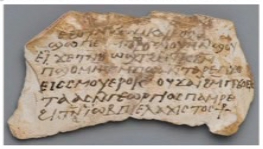
Coptic letter on an ostracon. First appearance: 2011. Image displayed by Scott Carroll at 2011 Passages lecture in Oklahoma City.