
The publication of the latest volume of The Oxyrhynchus Papyri has been in the news. Among the newly published pieces is a small fragment of a leaf of a papyrus codex that contains a previously unknown collection of sayings of Jesus. Candida Moss has a nice summary and analysis in her recent column. I have now read the edition of the papyrus, and I offer a few first impressions. I see that I first encountered this papyrus (part of it, anyway) several years ago when it emerged from Jerry Pattengale’s pocket during a lecture in 2011.

On that occasion, Pattengale described the papyrus as a copy of “the end of Matthew 6” that had been “dated to about 140 to 160.” Pattengale continued, elaborating on how the date was established: “It’s early. And you have in the room a couple people, um, that can do that. And then Dr. Obbink as well.” The reference is to Professor Dirk Obbink, who allegedly stole this and many other papyri from the Oxyrhynchus collection and sold them to the Green Collection and other buyers. So, these stolen papyri that were returned to the Egypt Exploration Society are now being published.
In his lecture, Pattengale stressed the quite early dating of the papyrus in order to emphasize the “reliability” of the New Testament documents:
“My friends, this is 200 years earlier than a lot of the texts that are much in the sensational news today. This is part of that list that supports the canon.”
Not exactly. Now that the papyrus has been more thoroughly studied, it turns out that it is not a copy of the Gospel according to Matthew, but rather a previously unknown collection of sayings of Jesus that has some similarities with material found in Matthew and Luke and the Gospel of Thomas. In other words, it’s a non-canonical text about Jesus, which, if the dating is correct (and that’s a significant “if”), is earlier than almost all surviving copies of anything in the New Testament. In the new publication, the editors assign the copying of the fragment more broadly to the second century.
So, there is quite a bit of excitement around the fragment. But it is challenging to assign a date to a papyrus like this. We have no criteria to judge the date except for the handwriting on the fragment, which can sometimes not be a very reliable guide, as I have discussed on many occasions. Good images of the papyrus as published are not yet available. Peter Gurry at Evangelical Textual Criticism has posted these images of the ex-Green Collection fragment (the published edition contains another small fragment that was identified in the collection at Oxford):
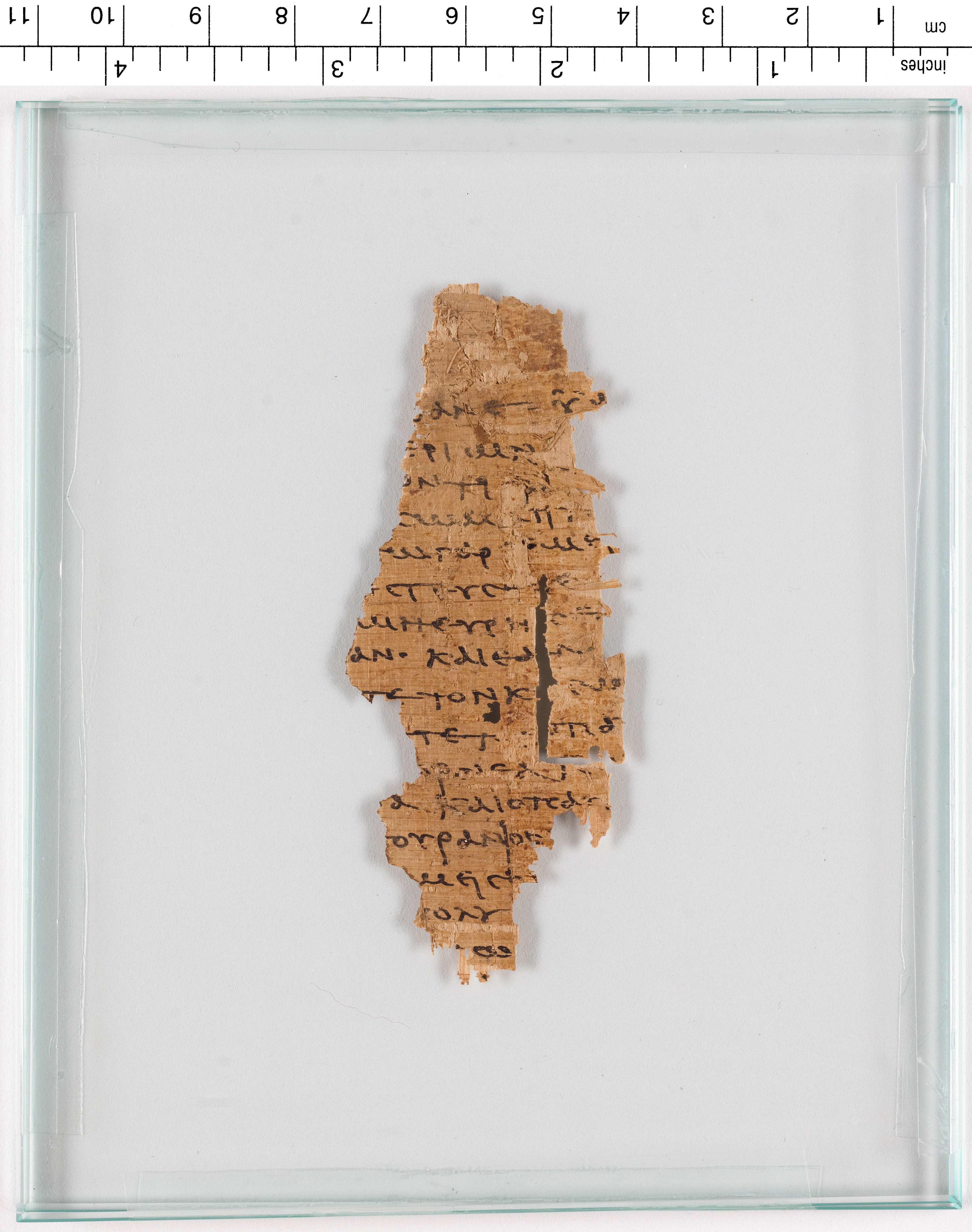
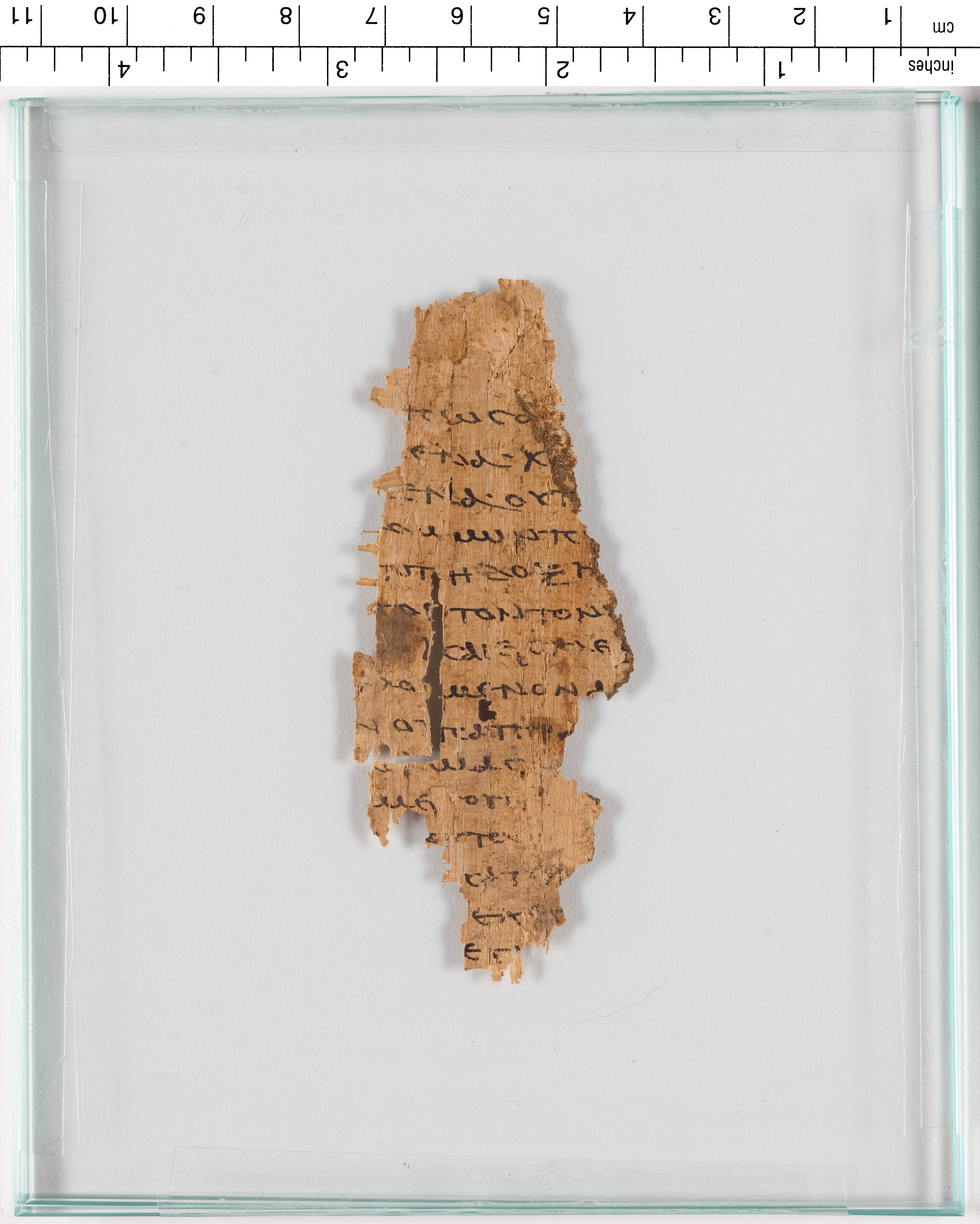
The script falls into Turner’s rather broad “informal round” classification and is “only approximately bilinear,” meaning that the letters do not always stay between upper and lower notional lines. The editors note that the letters show a slight slope to the left (\) and have “several cursive elements.” They offer four securely dated manuscripts that they regard as having a similar script. All the pieces have dates in the second half of the second century:
| CPG II. 1 App. 1 | 178 CE |
| P.CtYBR inv. 685 | 157-160 CE or 180-188 CE |
| P.Oxy. 36.2761 | 161-169 CE |
| C. Pap. Gr. II.1 63 | 185 CE |
The editors also note the very close similarity of script with another collection of the sayings of Jesus, P.Oxy. 60.4009, even suggesting the possibility that the same copyist was responsible for both manuscripts, stating that the two “may well be in the same hand.”
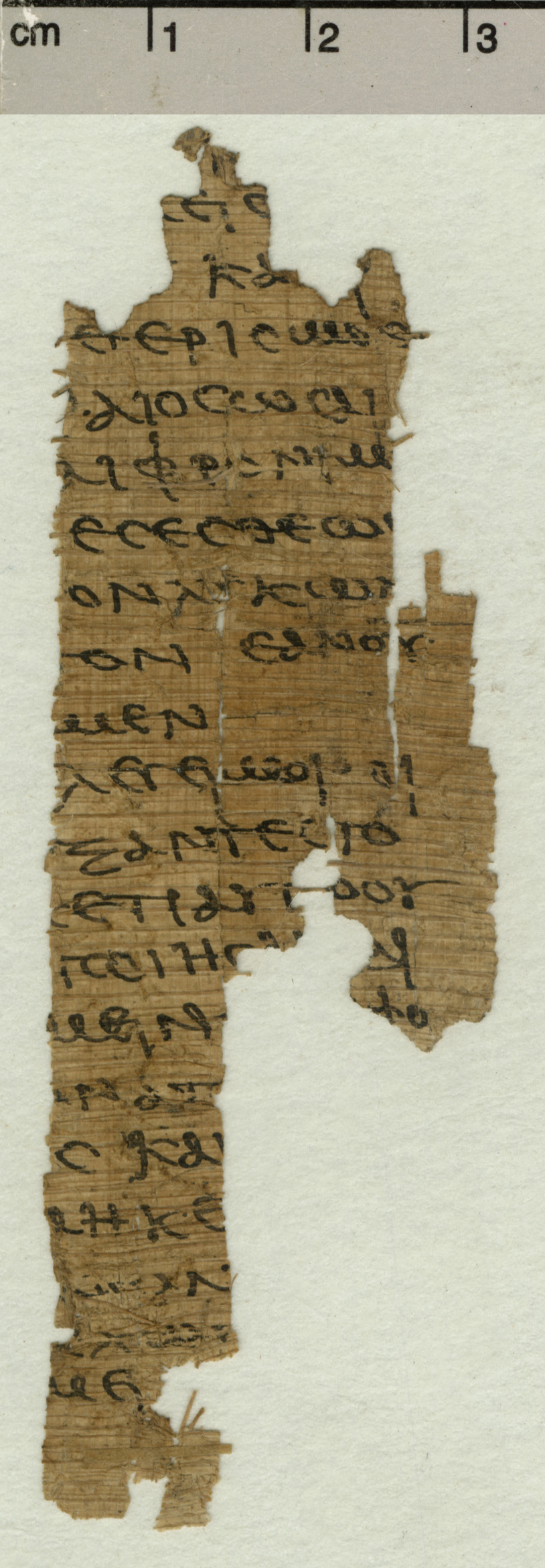
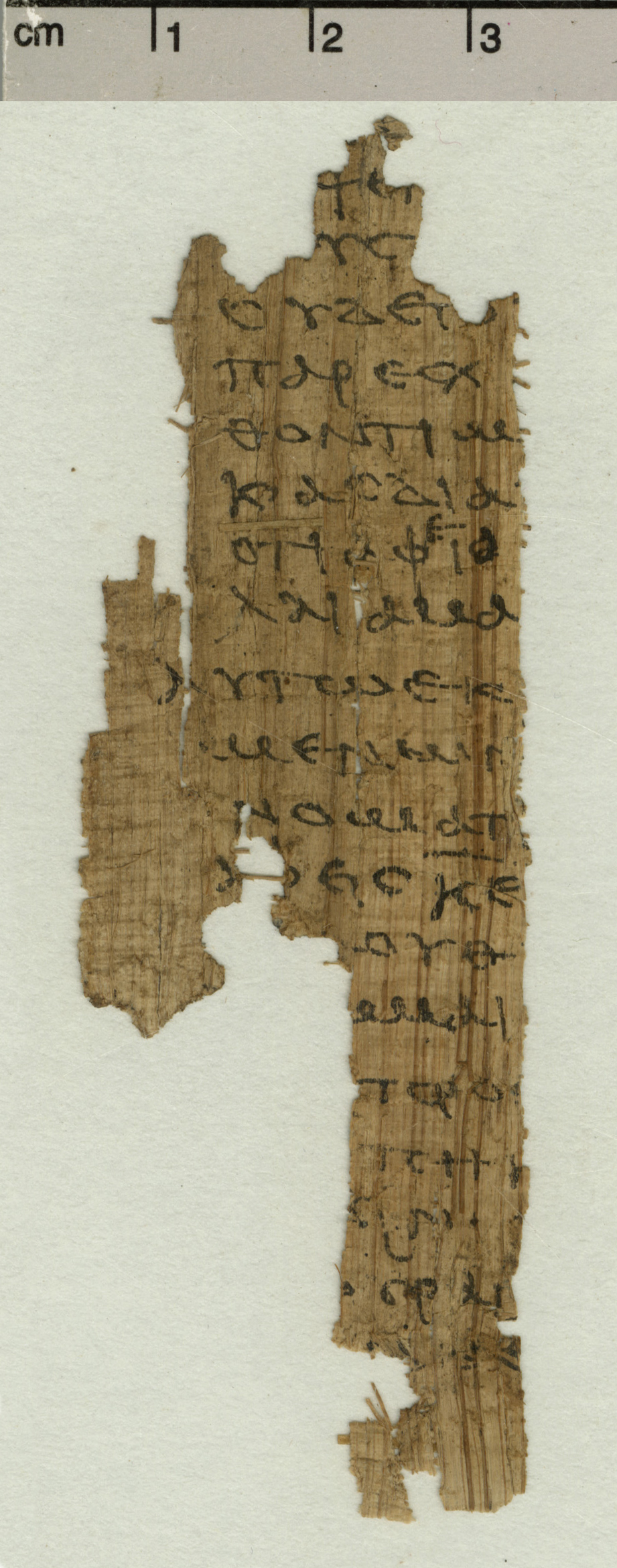
The scripts are quite similar. It is interesting, then, that the editors of P.Oxy. 60.4009 offered a different set of dated samples to justify their dating of 4009. These samples cluster in the first half of the second century rather than the second half:
| Schubart, Pal. Abb. 81 | 81 CE |
| Norsa, Scritt. Doc. XVc | 133-136 CE |
| Schubart, PGB 22b | 135 CE (?) |
| Schubart, PGB 24 | 148 CE |
If we agree to the basic assumption of palaeographic dating (similar visual appearance of scripts = similar dates of production), then the evaluation of these claims means having a close look at the suggested comparative evidence and seeing how similar the samples actually are. To facilitate that process, I gather here links to the images of the relevant dated manuscripts that have featured in the discussion so far.
CPG II. 1 App. 1, a report of an accidental death copied in 178 CE:

P. CtYBR inv. 685, a lease for a house copied in the period 157-160 CE or 180-188 CE
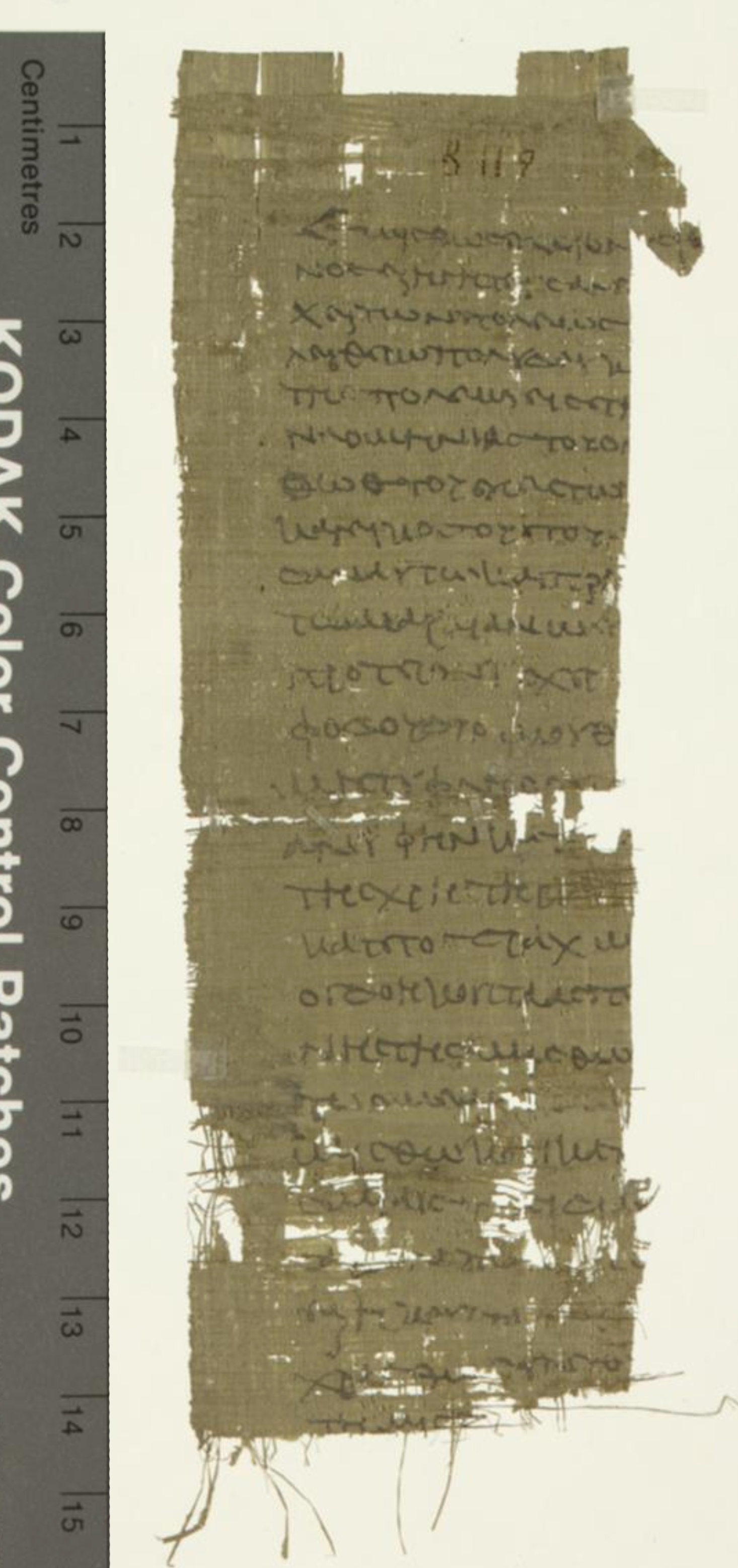
P.Oxy. 36.2761, report of a death copied in the period 161-169 CE
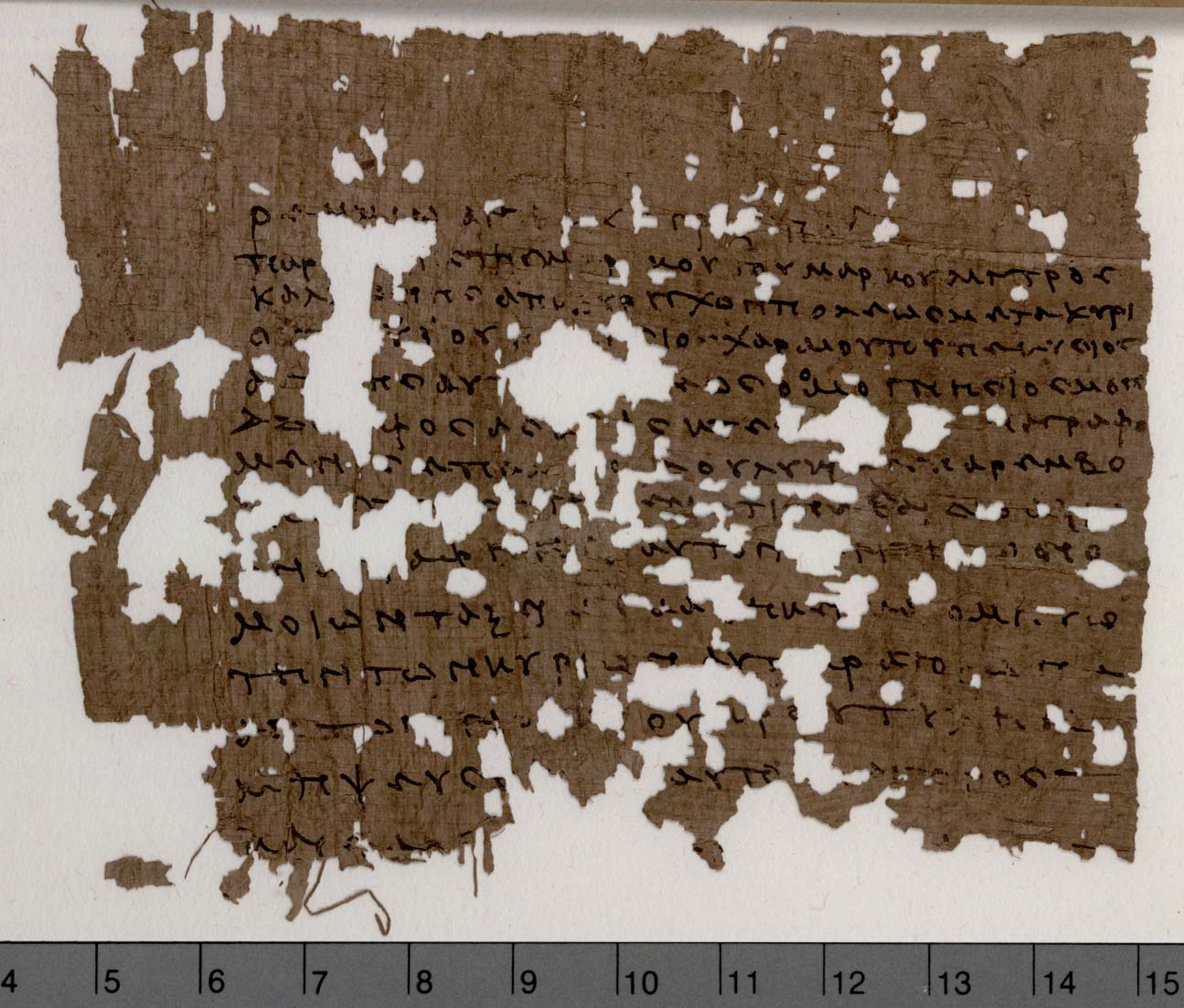
C. Pap. Gr. II.1 63 (=P.Petaus 8=P.Köln inv. 388), a report of a death copied in 185 CE
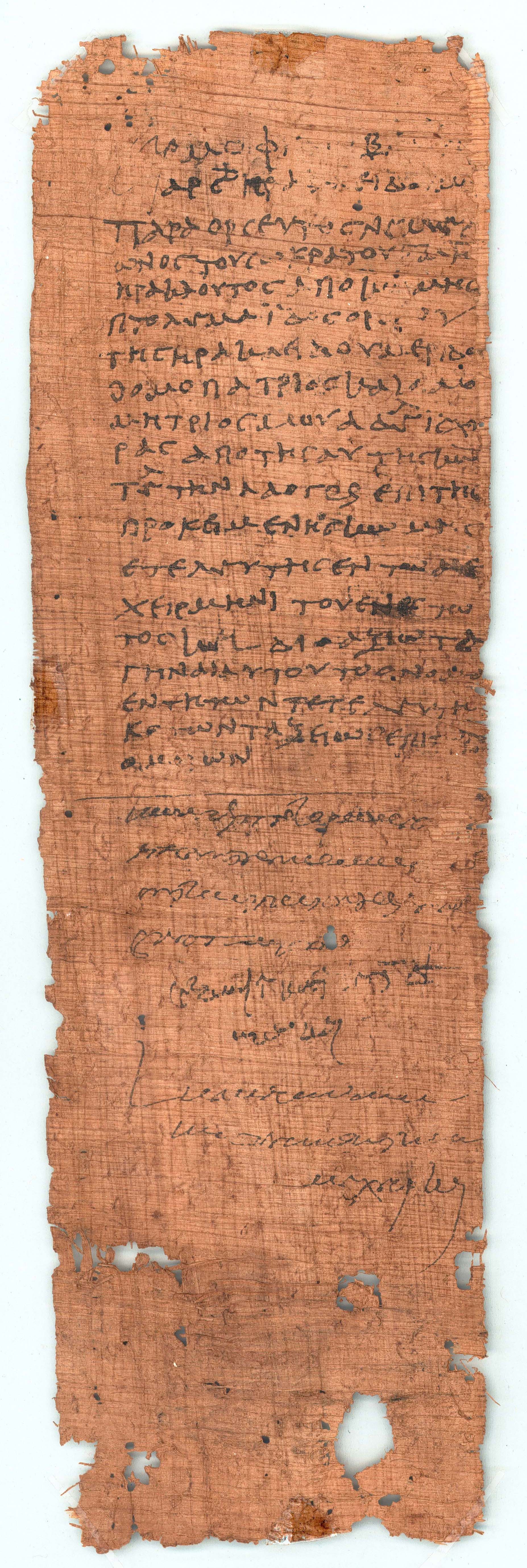
The editors of P.Oxy. 60.4009 suggested the following script samples as useful comparanda:
Schubart, Pal. Abb. 81 (=P.Lond. 1.130), horoscopes copied after 13 September 81 CE

Norsa, Scritt. Doc. XVc (=PSI 5.446), an edict of Petronius Mamertinus copied during 133-136 CE
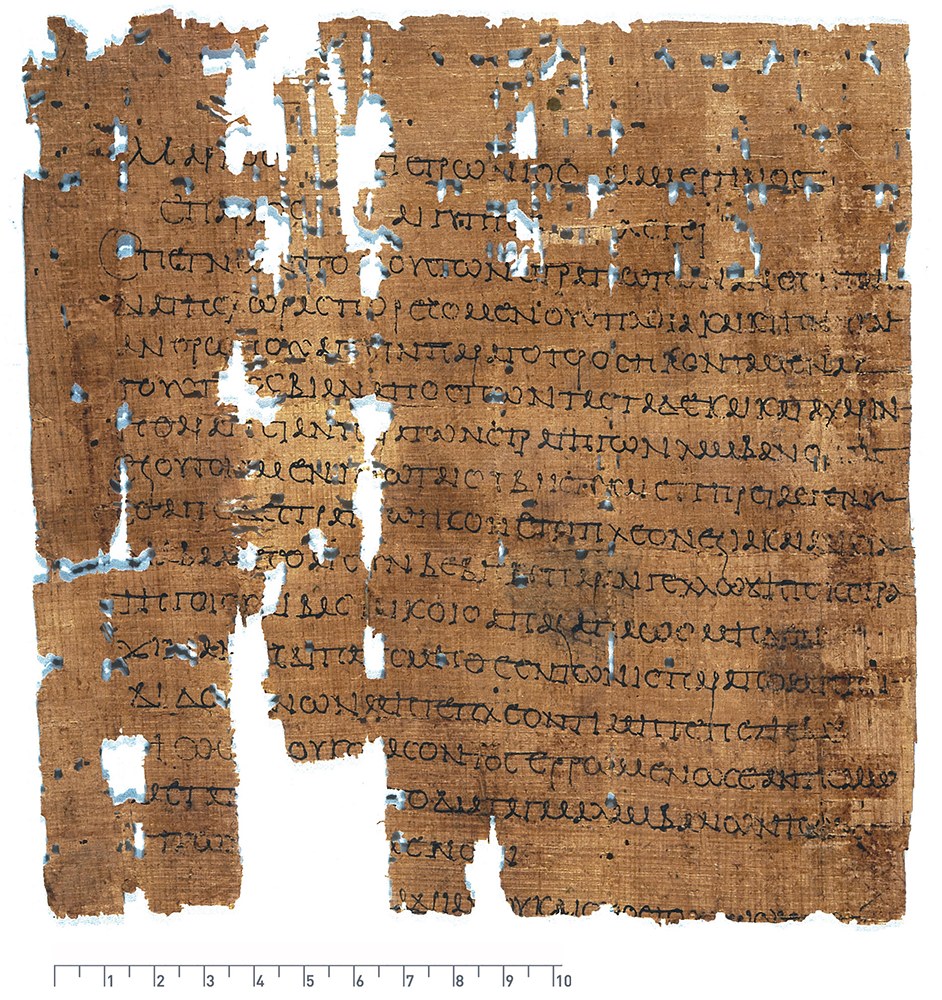
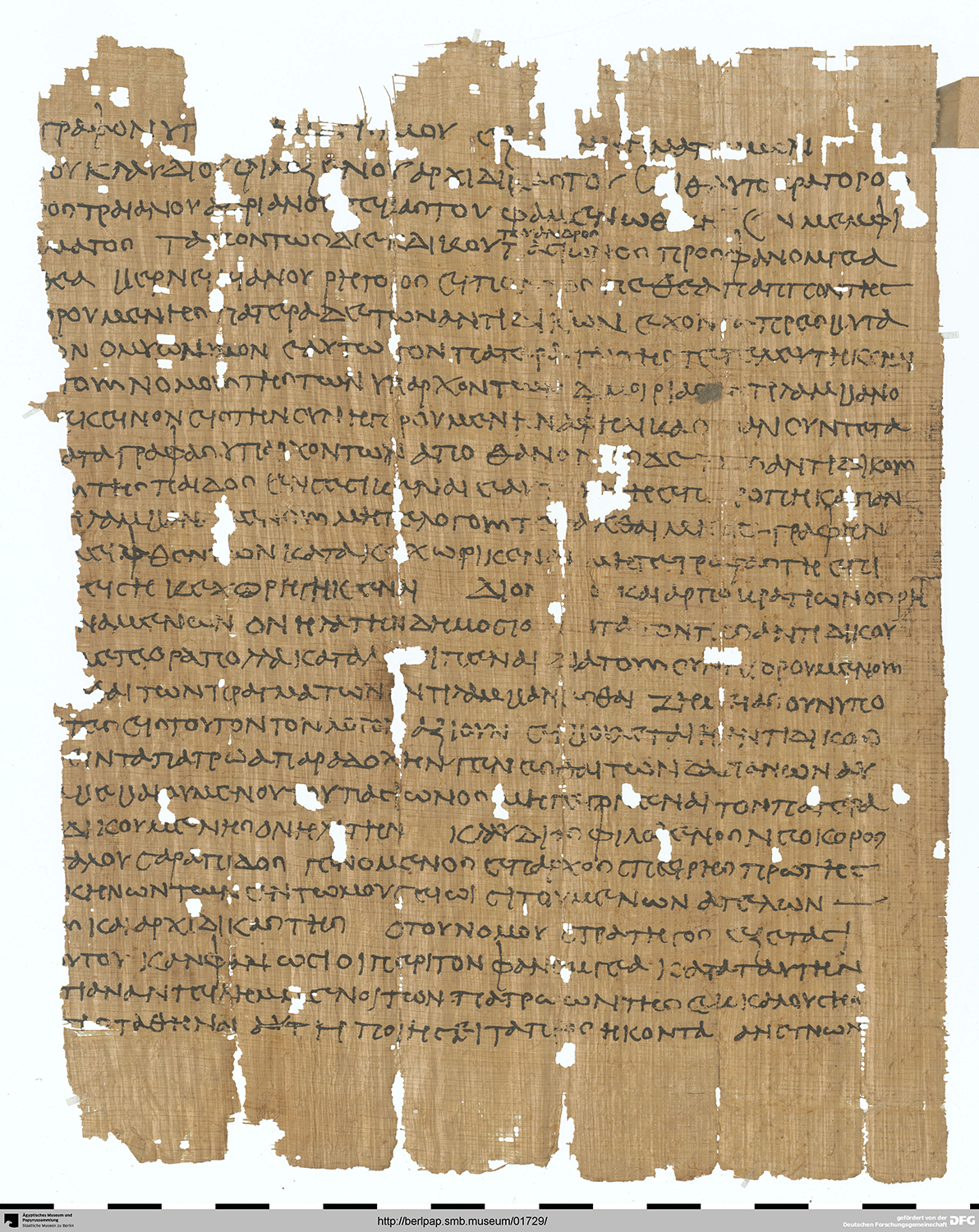
Schubart, PGB 22b ( = BGU 1.136 = P.Berol. inv. 6855), a copy. ofthe proceedings of a trial that took place in 135 CE
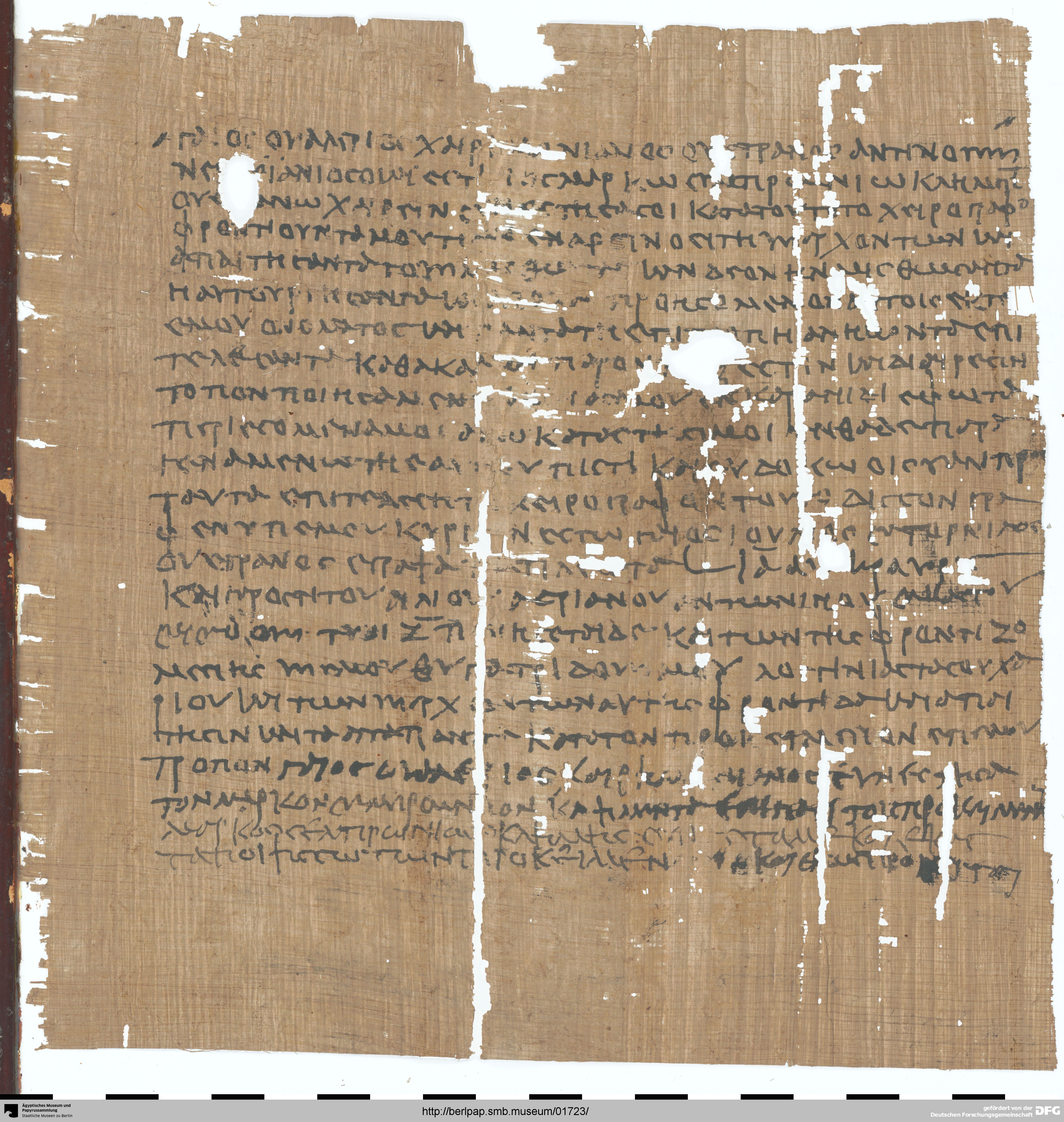
Schubart, PGB 24 (=BGU 1.300=P.Berol. inv. 6849), a transfer of power of attorney copied in 148 CE
I tend to agree with the editors about the similarity of the scripts of 5575 and 4009, but in my first look at the proposals for dated parallels (for both the pieces), I cannot say that I find any of them especially compelling. This is not to criticize the work of the editors. It is very difficult to find good, securely dated comparanda for scripts like these. A more detailed evaluation will have to wait for another occasion.
Before finishing this post, I should also point out that the editors of P.Oxy. 87.5575 state that “P. Orsini, cited by Trismegistos, has placed 4009 in the first half of the fourth century, but we have not found evidence to support such a dating for either of these papyri.” The reference is to the noted palaeographer Pasquale Orsini, whose assessment appears on the Leuven Database of Ancient Books. When this fourth century date was published on the Database several years ago, I asked Professor Orisini about the evidence for this new assessment, and he provided a list of several other undated literary papyri. So a full and convincing argument in favor a fourth century date has yet to be made.


Thanks for this, Brent – quite illuminating.
This hand, in my judgment, is dateable, conservatively, to no later than ca. 200 CE, broadly to the 2nd half of the 2nd century (ca. 150-200 CE). So yes, it could be ca. 150 (or even 140 CE), due to some archaic features. It’s a matter of averaging our bets … comparing it to documentary papyri of the same period is not always useful because literary hands differ. Yes, palaeographers do err, from time to time, but there is a reliable standard in dating literary papyri from a precedence established from the study of tens (and tens) of thousands of comparative papyrological examples from Oxyrhynchus (and elsewhere) over the last 140, or more, years. So for us to cast doubt on the science and art of palaeography too cavalierly without respecting the skill of trained and experienced papyrologists who really know what they are doing, relying instead upon the occasional unskilled or inexperienced non-professionsls who do make sensational, unsubstantiated claims on occasion, is simply wrong-headed. We should raise questions, yes, but also let the professionals do their job. I have no dog on this fight — so I don’t personally care what the date of this new papyrus is. But from my experience of studying hundreds, if not thousands, of published papyrological hands — and having published a number of first editions of lamellae and papyri over the years — this new papyrus is unequivocally second century (not third or first, e.g.). If the experts are agreeing on this date, as seems the case — and I would say they are generally 80-90% correct — I would stand by their judgment.
Thanks for your reflections, Roy. Just so I’m clear, it’s not my goal to dismiss the work of palaeographers as a whole. With later Greek and Latin manuscripts, in situations where we have a LOT more precisely dated samples (dated colophons!) to serve as guides, analysis of scripts is much more effective as a means of establishing dates. When we get back to the Roman era, the number of securely dated comparative samples is so much smaller (which is probably why the same pieces tend to get cited as reference points–even for very different scripts), I don’t think we can have the same level of confidence. And to your point: “If the experts are agreeing on this date…” In the case of P.Oxy. 60.4009, we seem to have an instance of two of the most respected experts in the field–Parsons (one of the original editors of 4009) and Orsini–differing in their assessment by over a century.
Very interesting, Brent! Thanks for this. Without recalling which one off-hand, I would imagine it’s Orsini, who started to late date some papyri awhile back. His assessment is completely baffling to me, honestly. You could ask 100 experienced papyrologists, double blindly (so to speak), to date P. Oxy. 60.4009, and I would practically guarantee you that 99 out of a 100 would securely date it to the second century (even to ca. 175 CE). I doubt a single one would even venture a date of ca. 201 CE. So, whatever he’s doing to create this kind of palaeographic anomaly, I can no longer respect. It’s bound to introduce unnecessary uncertainty into the discipline, as I see in your own advocacy. I guess you (personally) have to determine for yourself (as we all do) what the date of it, or anything, is. I’ll try to look into this sometime (for my own benefit), but it would appear that Orsini is becoming an outlier of sorts in the field, and I wonder what other papyrologists are saying (or thinking). To me, it’s aberrant. Although I trust my own do-diligence, I cannot claim to match my experience with the likes of a Parson (or Orsini).
I may well be naïve, but it looks to me like there’s a good chunk of papyrus at the top without any writing. What is the EES’s attitude to carbon-dating? (After thorough multi-spectral imaging, of course.)
You comment that this new papyrus covers subject matter similar to the NT gospels, but does it present disagreement with any NT text? Considering its early date, any discrepancies at all should receive a lot of attention.
This comment from Pattengale makes me fume: “My friends, this is 200 years earlier than a lot of the texts that are much in the sensational news today. This is part of that list that supports the canon.” It most certainly is not! P.Oxy 5575 is actually a prime example that the further back we go in the NT transmission, the more textual fluidity we will encounter.
Pingback: P.Oxy. 87.5575 and P.Oxy. 60.4009: The Same Copyist | Variant Readings
Pingback: Biblical Studies Carnival #210 for September 2023 - Reading Acts