The Coptic Material from Oxyrhynchus

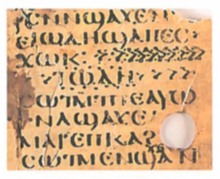
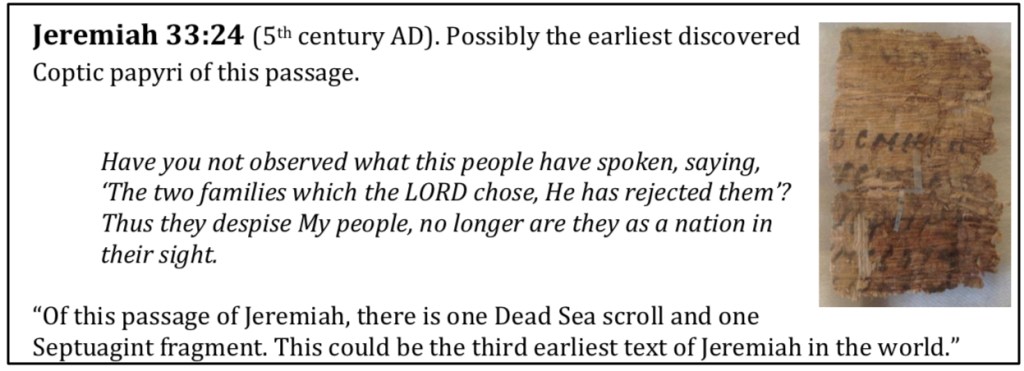
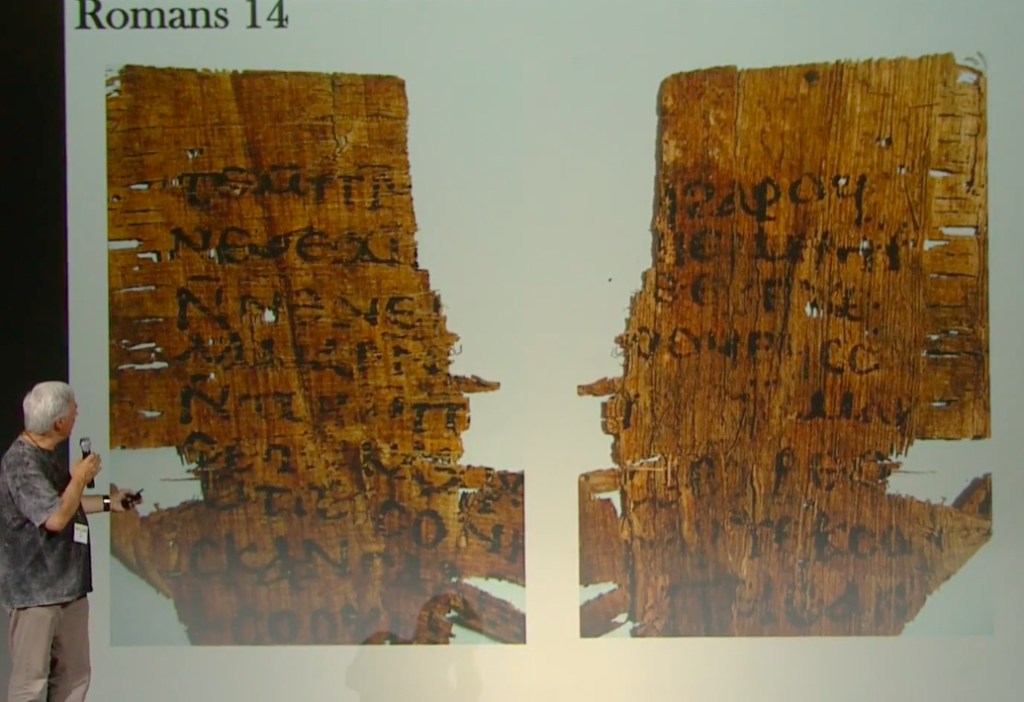
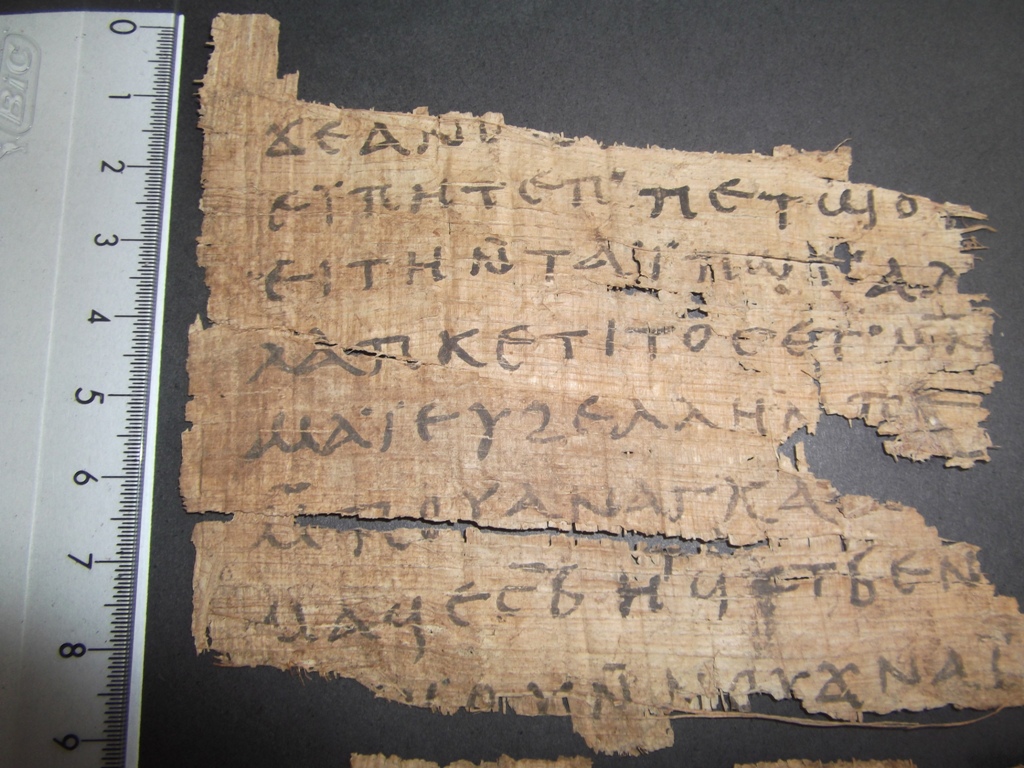
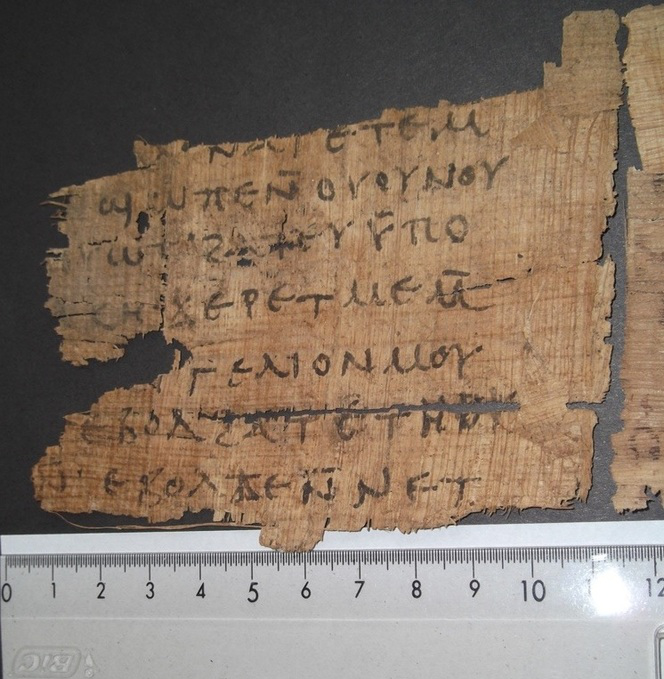
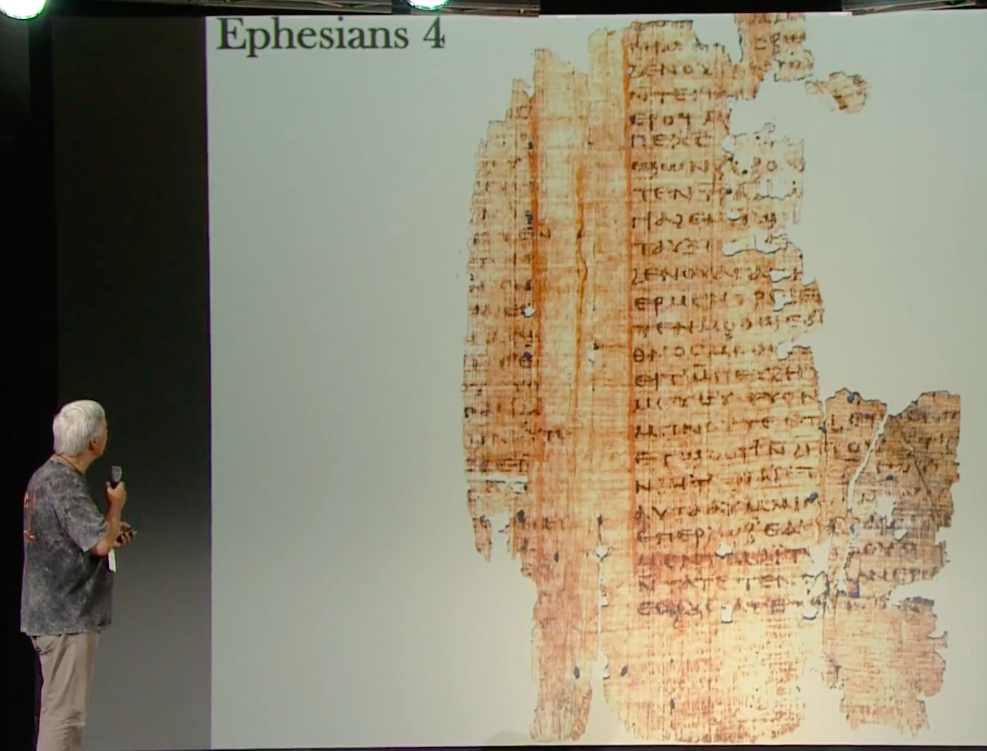
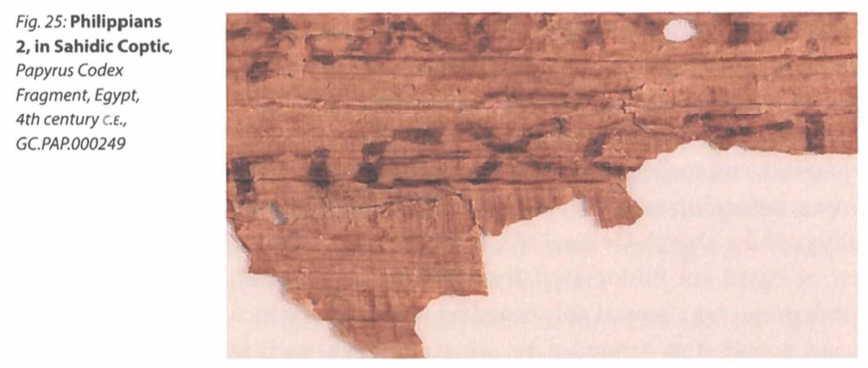
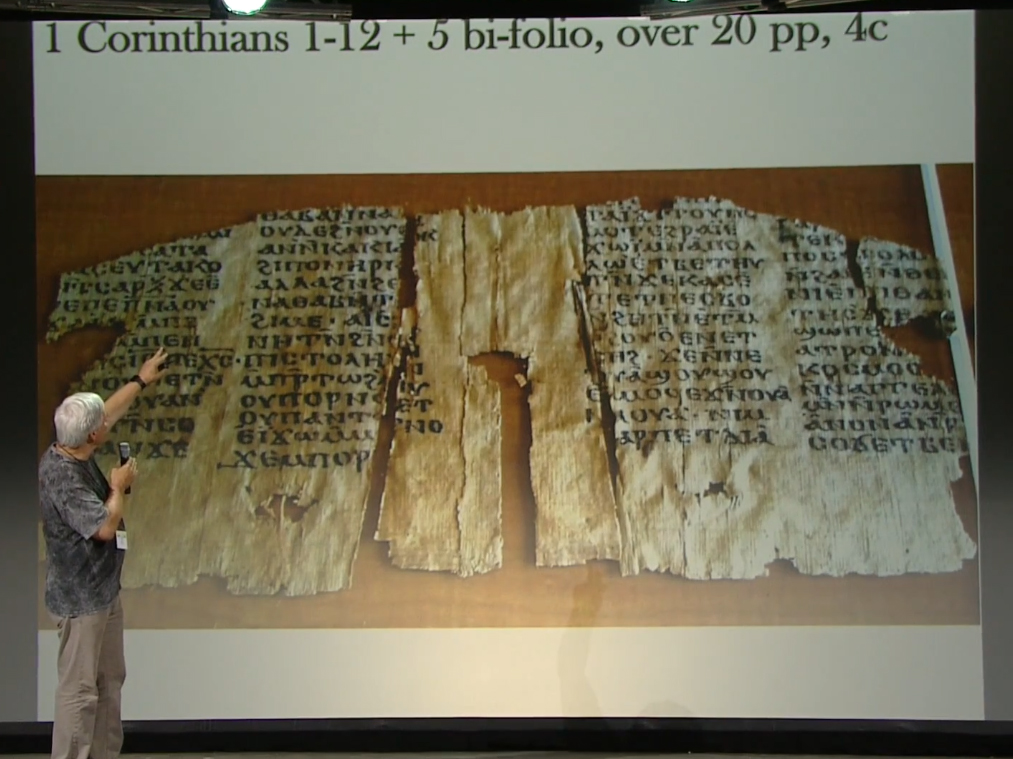
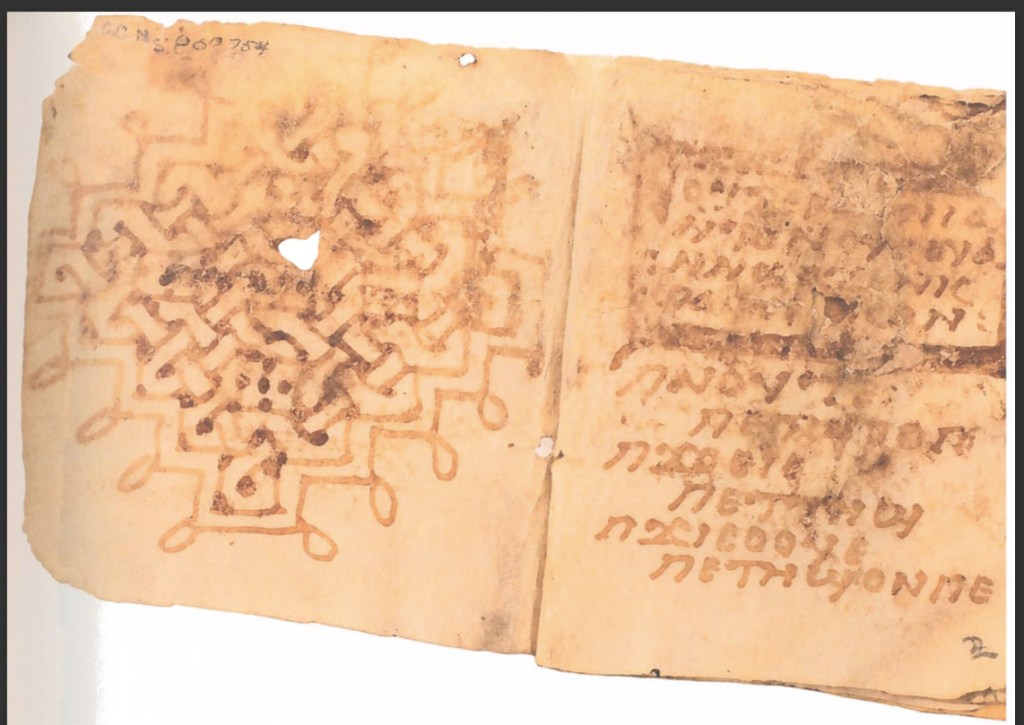
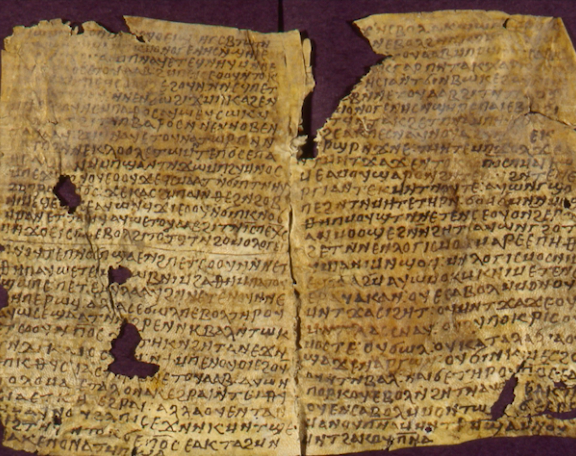
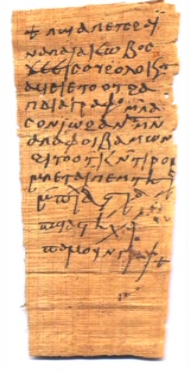
Several people have asked me why there are no Coptic pieces on the list of recently emerged papyri of dubious origins. I put that list online in the hopes of identifying more material that may have been stolen from the Egypt Exploration Society. Having seen plenty of Greek papyri from Oxyrhynchus, we all have a pretty good sense of what that material tends to look like. But the profile of Coptic materials known with certainty to have come from the Oxyrhynchus trash heaps is something of a mystery. Very few of them have been published. This post will summarize what has been published.

Continue reading
Posted in Dirk Obbink, Oxyrhynchus Papyri | 3 Comments

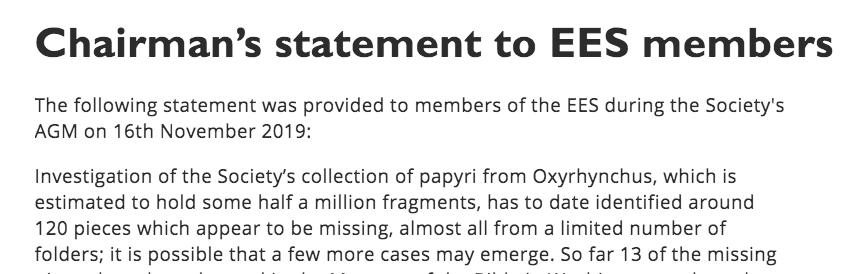
News: Egypt Exploration Society Missing At Least 120 Papyri

I missed this news from a couple days ago. The Egypt Exploration Society has announced that they are missing at least 120 papyri from the Oxyrhynchus collection.

Read the full announcement here.

Posted in Oxyrhynchus Papyri | 6 Comments

Once Again, Scott Carroll and a Papyrus of Plato

I’ve written before about Scott Carroll’s connection to a papyrus of Plato’s Phaedo. What I have only just now realized while reviewing some of Carroll’s past lectures is that his association with this piece goes back to early 2012 (or maybe even 2011), when he was still the director of the Green Collection.

In remarks made during a Passages lecture in Atlanta on 27 March 2012, Carroll said the following:

“Three days ago, discovered at Baylor University, ah, with students, ah, one of the earliest texts of Plato. And it’s, just so happens to be an account that Plato wrote of the death of Socrates, a very famous account, that was used in the early Church period as a contrast with the death of Christ. And so it’s a very interesting passage.”

Now, it seems to be a good rule of thumb to take Carroll’s claims of “X days ago I discovered Y papyrus” with a grain of salt. But this description does sound a lot like the description (attributed to Dirk Obbink) of the papyrus of Plato’s Phaedo appraised by Lee Biondi in 2013 (“The account has uncanny parallels with the life and death of Jesus Christ, something not lost on scholars through the ages.”).

Continue reading
Posted in Antiquities Dealers and Collectors, Antiquities Market, Dirk Obbink, Green Collection, Lee Biondi, Scott Carroll, Van Kampen Collection | 4 Comments

A New(-ish) Published Papyrus from the Green Collection!

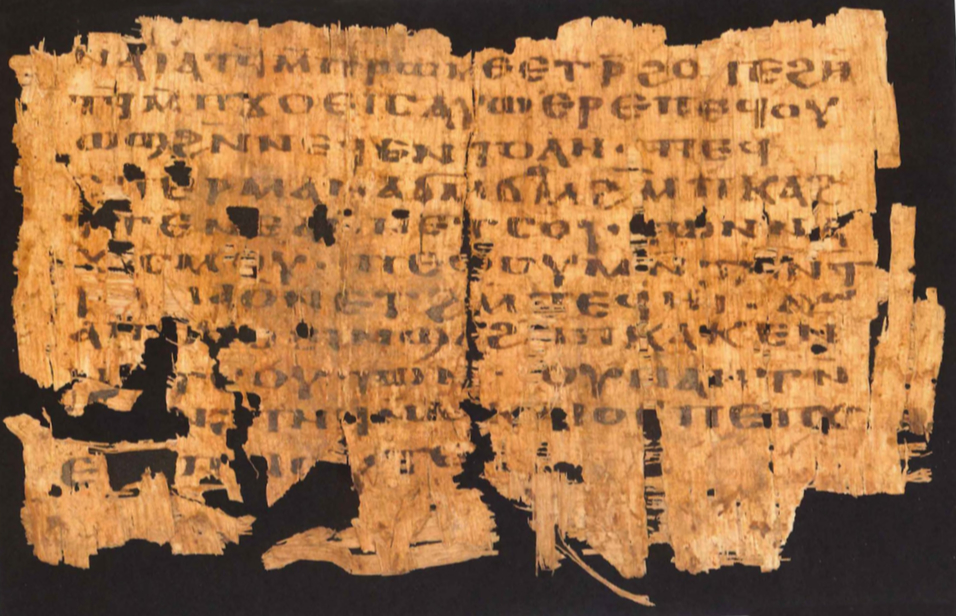
Sometimes my own oversights absolutely astound me. On my last update to the list of recently emerged papyri of dubious origins, I noted that a papyrus of a work of Aristotle in the Green Collection was said to have been extracted from mummy cartonnage along with another literary papyrus on the mysteries. Thanks to an especially observant anonymous commenter, I now see that the latter papyrus (or another one in the Green Collection incredibly similar to it), was actually published (back in 2011!) by Professor Dirk Obbink.

The details of the publication are as follows: Dirk Obbink, “Dionysos In and Out of the Papyri,” pages 281-295 in Renate Schlesier (ed.), A Different God? Dionysos and Ancient Polytheism (Berlin/Boston: Walter de Gruyter, 2011). The image of the papyrus (Figure 4, pictured above) is “© Imaging Papyri Project, Oxford.”

Continue reading
Posted in Antiquities Dealers and Collectors, Antiquities Market, Dirk Obbink, Green Collection, Green Collection Mysteries Papyrus, Scott Carroll | 7 Comments

Additional Papyri of Unknown Origins

At the prompting of David Bradnick, I have added a few more items to the list of recently emerged papyri with dubious origins. I hesitated to add these pieces to the list because I have not seen images of them, but I can see the wisdom of putting them on the list in hopes that they surface at some point. If anyone has seen any images of these pieces elsewhere online or in print, I would be grateful to know where.

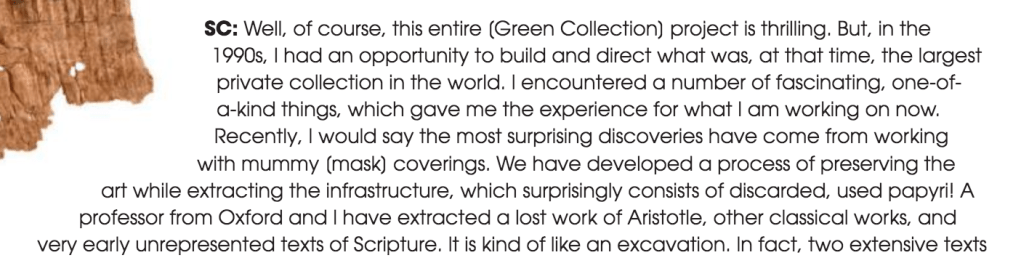
Aristotle, unknown work on reason? (unverified identification by Scott Carroll, Green Collection). First reference: 2011. This Green Collection papyrus was to be featured in the Brill series and was assigned to a date in the 3rd century BCE. [Update 3 January 2020: I believe a photograph of this papyrus was put online in 2014.] Like so many other Green Collection pieces, this one is sometimes said to have been extracted from a mummy mask. Here is Scott Carroll in an interview published back in May of 2011:

“Recently I would say the most surprising discoveries have come from working with mummy (mask) coverings…A professor from Oxford and I have extracted a lost work of Aristotle, other classical works, and very early unrepresented texts of Scripture.”

It is of course interesting to see once again the “professor from Oxford” invoked in relation to cartonnage dismantling, but it now appears that many, if not all, of Carroll’s claims about extracting Christian texts from mummy cartonnage were simply fabrications.

Continue reading
Posted in Uncategorized | 4 Comments

Dirk Obbink Discusses Oxyrhynchus “Distribution” Papyri

Although Professor Dirk Obbink has issued an emphatic denial of accusations that he illegally stole and sold papyri from the Egypt Exploration Society, he has not (to the best of my knowledge) denied that he (legally) bought and sold so-called “distribution” papyri. These are published papyri from Oxyrhynchus and elsewhere that the Egypt Exploration Fund gave to subscribers mainly in the US and the UK between 1900 and 1924. Some of these pieces later ended up on the antiquities market to be traded by collectors and dealers, including (apparently) Prof. Obbink himself, if Museum of the Bible records are to be believed. I have discussed these “distribution papyri” in an earlier post.

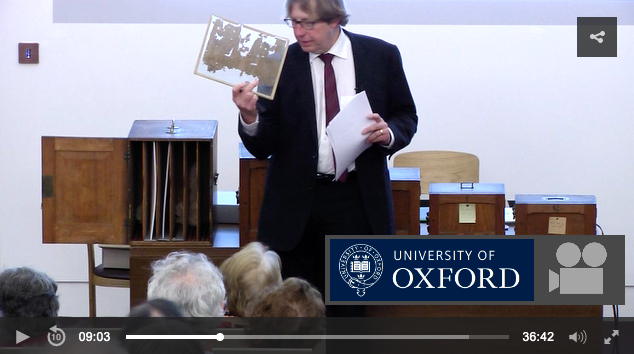
Why do I bring this up? On the Oxford University website, there is a recording of a talk given by Prof. Obbink in 2015 on the now infamous Sappho fragments that he edited. During the talk, he spends a good deal of time discussing P.Oxy. 10.1231, a different copy of Sappho’s poems that was excavated from the trash heaps of Oxyrhynchus. This piece is now held at the Bodleian Library at Oxford.

Dirk Obbink speaking at Oxford in May 2015; image source: University of Oxford Podcasts

It is kept at the Bodleian (rather than the Sackler, where the bulk of the Oxyrhynchus collection is held) because it was one of those early publications that was “distributed” to donor organizations. In his talk, Prof. Obbink acknowledges this fact and then makes some remarks that are quite stunning in light of the fact the he himself seems to have been buying and selling distribution Oxyrhynchus papyri as recently as 2010. At about the 5:35 mark in the video, he begins to moralize:

Continue reading
Posted in Antiquities Dealers and Collectors, Antiquities Market, Dirk Obbink, Oxyrhynchus Papyri | 2 Comments

A Couple More Manuscripts of Questionable Origins

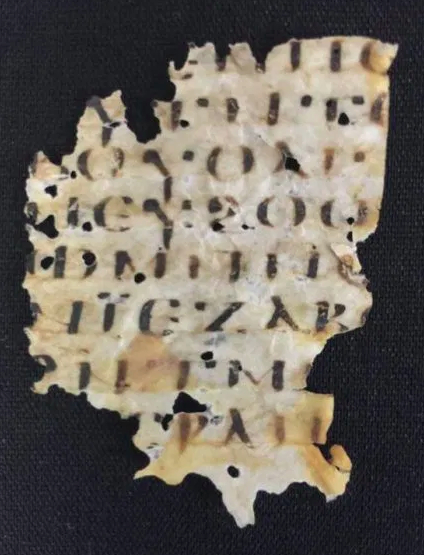
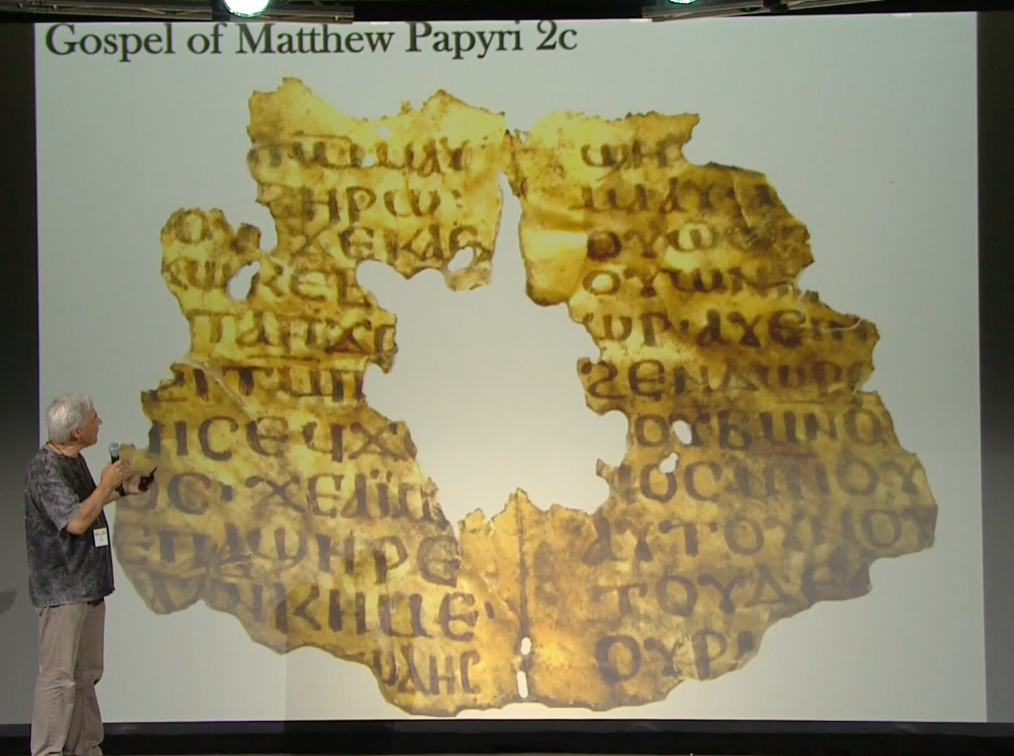
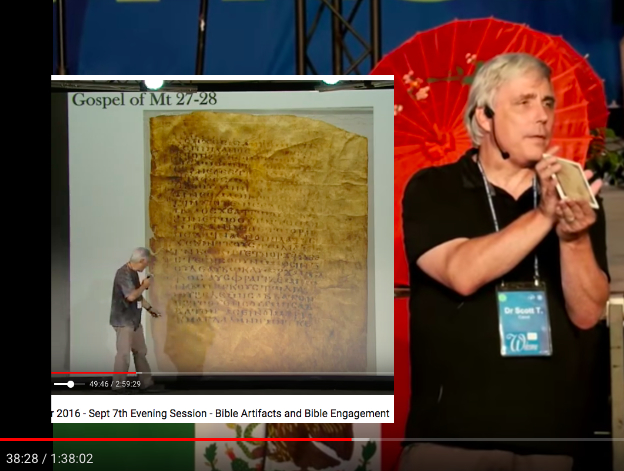
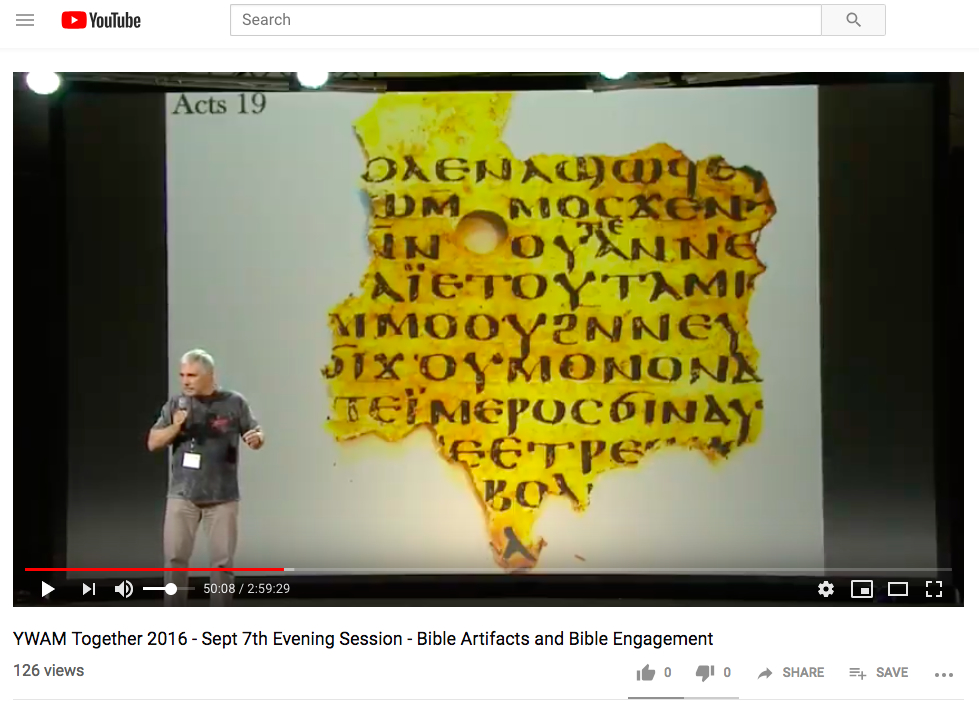
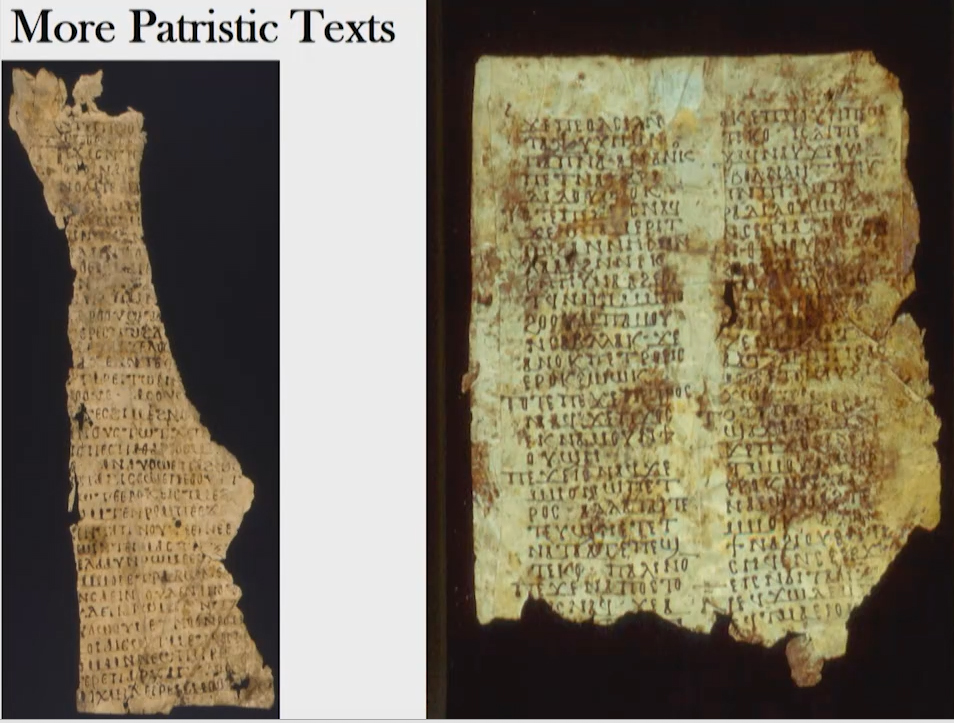
I’ve added a couple more pieces to the list of manuscripts of dubious origins. These are more pieces that have shown up in Scott Carroll’s talks in recent years, and both of these items may also be connected to the manuscripts stolen from the Egypt Exploration Society. The first is a collection of papyrus fragments identified only as “a patristic text.” I am also posting an image here:

This particular image comes from a talk given by Carroll in 2016 that is not freely available online (this is yet another instance in which I need to thank David Bradnick for digging up the evidence).

Continue reading
Posted in Antiquities Dealers and Collectors, Antiquities Market, Oxyrhynchus Papyri, Scott Carroll | 4 Comments

More News on Stolen Papyri from the Egypt Exploration Society

The Egypt Exploration Society has posted an update to last week’s announcement regarding papyri stolen from the EES and allegedly sold to Hobby Lobby by Professor Dirk Obbink. The updates discuss the EES manuscripts that have made their way to the collection of Andrew Stimer. These include the following, which Mr. Stimer intends to return to the EES:

The EES also notes that a couple of manuscripts on the list of papyri with dubious origins are actually safe and sound in EES holdings and have been assigned to editors:

It seems that Scott Carroll had only gotten hold of images of these unpublished papyri and not the manuscripts themselves. I will update the list accordingly. See the full EES announcement here:

https://www.ees.ac.uk/news/missing-papyri-two-updates

Posted in Dirk Obbink, Oxyrhynchus Papyri, Scott Carroll | 4 Comments

A Statement from Dirk Obbink

Professor Dirk Obbink has issued a public statement emphatically denying the accusations that he sold Oxyrhynchus papyri to Hobby Lobby. The local Texas newspaper to which Prof. Obbink chose to communicate his statement (the Waco Tribune-Herald) is not available online in Europe:

But Geoffrey Smith of the University of Texas at Austin broke the news on twitter:

Continue reading
Posted in Antiquities Dealers and Collectors, Antiquities Market, Dirk Obbink, Green Collection, Oxyrhynchus Papyri, Scott Carroll | 20 Comments

How Much Material from Oxyrhynchus Remains Unpublished?

Parsons City of the Sharp-nosed FishThe recent discussions surrounding the theft of 13 unpublished Oxyrhynchus papyri from the Egypt Exploration Society raises the question of just how much material that was excavated from Oxyrhynchus still remains unpublished. Bernard Grenfell and Arthur Hunt led excavations at Oxyrhynchus for six winters between 1896 and 1907. Some of the material they collected was kept in Cairo, but the vast majority was sent back to Oxford. So, how much material did they collect? This is actually a more complicated question than it first appears. In terms of raw numbers, credible estimates differ. According to an article that used to be on the official website of the Oxyrhynchus Papyri Project, the number was 400,000. No source for the estimate is provided. Peter Parsons, who actually worked on the sorting project, puts the number somewhat higher in his excellent book, City of the Sharp-nosed Fish (2007), at p. 17:

“The six seasons had yielded, at a cost of some £4000, 700 boxes of papyri, which might be estimated at 500,000 pieces and scraps…”

But of course the question is what is meant by “pieces and scraps.” I dug into it a little bit in my book, God’s Library:

“The most reliable reports suggest that Grenfell and Hunt recovered a total of about half a million papyrus and parchment items, ranging from small fragments to substantial portions of long rolls. It is difficult to know how this figure translates into numbers of actual independent texts. In many cases, a single fragment represents all that remains of a manuscript. Yet, Hunt at one point mentioned spending several weeks flattening and sorting “some thirty thousand pieces of various sizes” …which was eventually consolidated into about thirty-five different papyrus rolls. In any event, for a full accounting of the Oxyrhynchus materials, we must also consider the manuscripts unearthed during later excavations at the site undertaken by Flinders Petrie in the 1920s, Italian teams between 1910 and 1914, and again between late 1927 and 1934, as well as finds from more recent excavations. It is thus hard to state firmly what proportion of the total number of excavated texts have been published.” (God’s Library, pp. 227-228)

For the Italian excavations, at least, we do have some exact numbers:

“Of the material from the Italian excavations, 572 pieces from Oxyrhynchus have been published so far in the Papiri della Società Italiana (PSI) series, 55 have been published elsewhere, and 602 are unedited (I am indebted to Guido Bastianini for supplying me with this information in a personal communication in May 2016).” (God’s Library, p. 341, note 35)

So, the Italian portion seems to be very small in comparison to the mass of material collected by Grenfell and Hunt. As of the 2019 installment (volume 84), The Oxyrhynchus Papyri series has published 5,476 items. So, on any account, this is just a fraction of what was recovered. This should make us cautious about conclusions reached from surveys (even my own!) based only on published material from Oxyrhynchus.

[[Update 8 December 2019: In this video from 2016 (at about the 5:50 mark), Dirk Obbink puts the number of Oxyrhynchus fragments at Oxford at “over a million fragments of varying sizes from a postage stamp up to the size of a long continuously unrolling scroll” and at the 6:10 mark: “5,100 items published [in the first 82 volumes of The Oxyrhynchus Papyri] out of a million fragments that remain to be catalogued, sorted, and transcribed.”]]

Posted in Oxyrhynchus Papyri | 6 Comments